
Despite wild weather lashing the coast, a packed audience of community, conservationists and partners gathered on Friday night for Nature Conservation Margaret River Region’s annual Coastal Forum — united by a shared commitment to protecting one of Australia’s most treasured shorelines.
Hosted with the support of the World Surf League and Line in the Sand, the forum brought together leading voices in conservation, cultural land management, and community science to explore the future of coastal wildlife across the Capes region.
Nature Conservation’s coastal officer Chloe Deakin, who coordinated the event, said the strong turnout reflected the deep connection people feel to the coast — and their desire to be part of its future.
“This coastline means so much to so many people, and that really showed on Friday night,” Ms Deakin said. “Even with the wind and rain, people showed up because they care — not just about what’s happening now, but about what we can do together moving forward.”
The forum featured a diverse lineup of speakers, including Nature Conservation CEO Aaron Jaggar, Line in the Sand treasurer David Martin, Indigenous Protected Area Coordinator David Guilfoyle, and BirdLife Australia beach-nesting birds officer Tegan Knowles.
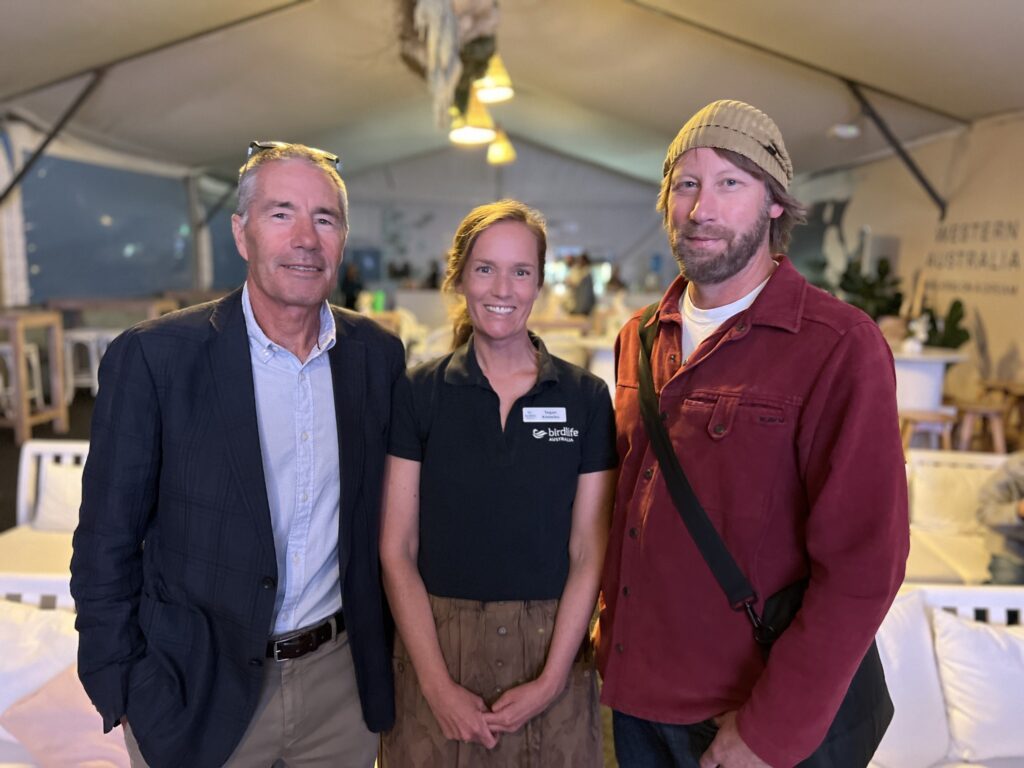
Coastal Forum speakers David Martin, Tegan Knowles and David Guilfoyle
Together, they shared insights spanning wildlife and feral animals monitoring, cultural land management, and on-ground conservation efforts. The audience included Fisheries Minister Jackie Jarvis, Wadandi custodiams Zac and Wayne Webb, and former WA chief scientists Peter Klinken.
Mr Jaggar opened the evening by highlighting the importance of collaboration in shaping the region’s conservation future.
Mr Martin presented findings from the Capes Fauna Initiative, a remote camera monitoring program capturing data on native and feral species across the Cape to Cape, helping to build a clearer picture of what is happening across the landscape.
Mr Guilfoyle offered a powerful perspective on rethinking the role of dingoes — not as a problem to manage, but as a keystone species essential to restoring ecological balance — drawing on his experience working alongside Traditional Owners.
And Ms Knowles shared insights from BirdLife Australia’s beach-nesting birds program, highlighting the growing pressures on vulnerable species such as the endangered hooded plover, and the importance of community-led efforts in improving breeding success.
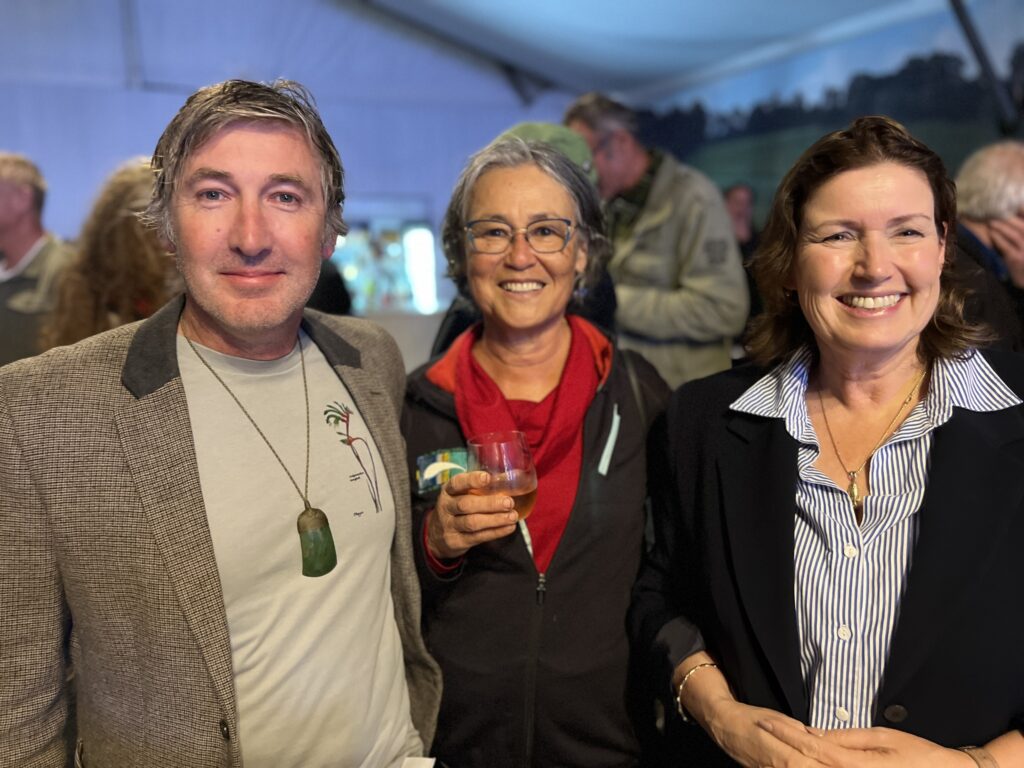
Nature Conservation CEO Aaron Jaggar and Chair Dr Ann Ward with Fisheries Minister Jackie Jarvis
Ms Deakin said one of the strongest messages from the evening was the need to bring together diverse ways of knowing — from science and data to Traditional Owner knowledge and community stewardship.
“There’s no single solution to the challenges facing our coast,” she said. “But what’s becoming really clear is that when we combine good science, cultural knowledge and community action, we start to see a pathway forward that is much more powerful than any one approach on its own.”
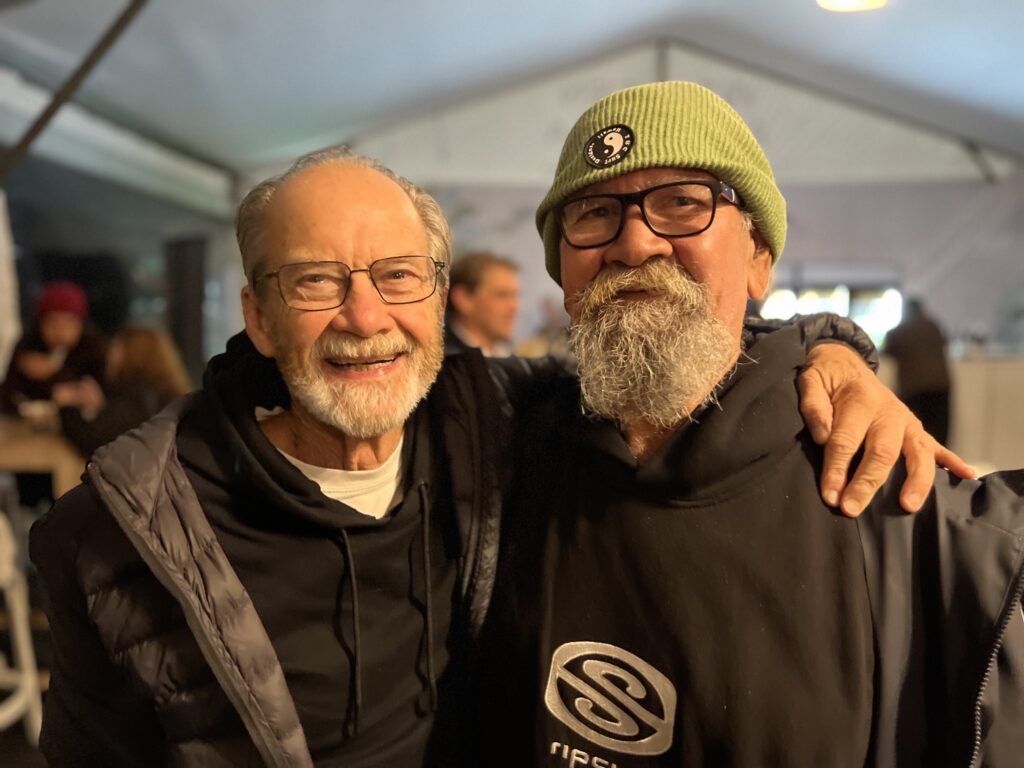
Former WA chief scientist Peter Klinken with Wadandi custodian Wayne Webb
Importantly, the forum focused not just on the challenges — but on practical, collective action.
“This wasn’t about leaving people feeling overwhelmed,” Ms Deakin said. “It was about helping people understand that they have a role to play — whether that’s contributing data, supporting conservation programs, or simply sharing what they’ve learned with others.”
The event was hosted at the World Surf League marquee overlooking Surfers Point. And delivered in partnership with the World Surf League and Line in the Sand, which helps fund Nature Conservation’s Caring for Coast program.
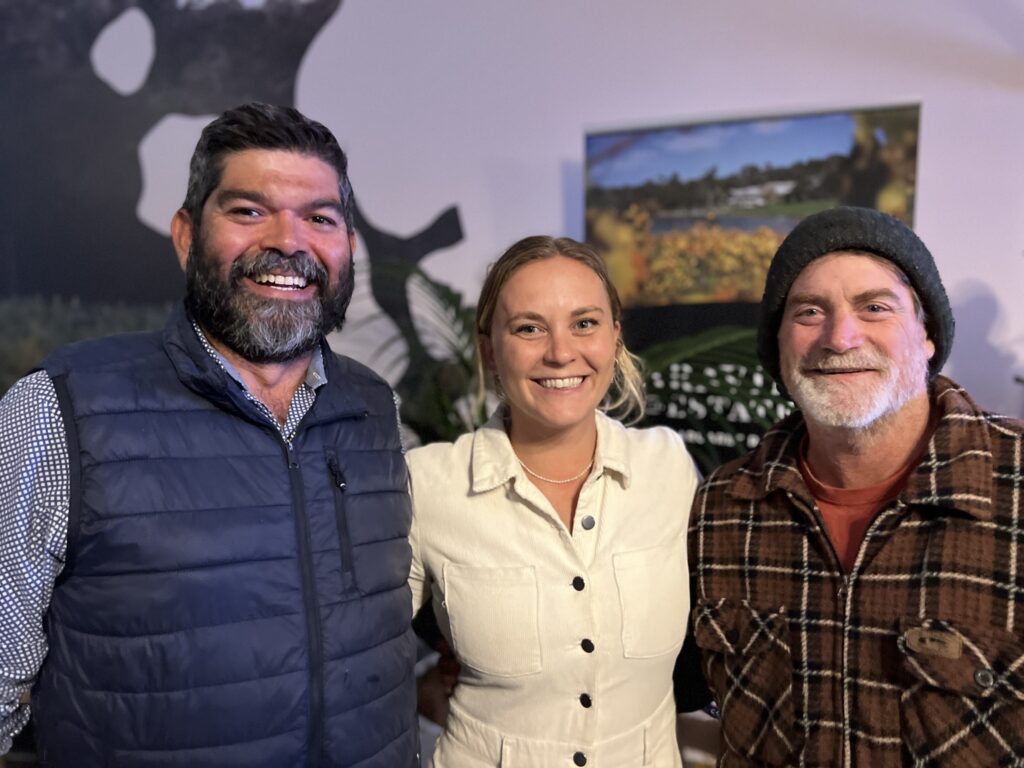
Undalup Association’s Zac Webb, Nature Conservation coastal officer Chloe Deakin, and surfing identify Josh Palmateer
Ms Deakin said the forum was just one step in an ongoing, community-wide effort to better understand and protect the region’s unique coastal ecosystems.
“What gives me hope is the level of care in this community,” she said. “When people come together like this — bringing their knowledge, their perspectives and their willingness to act — that’s where real change begins.”