
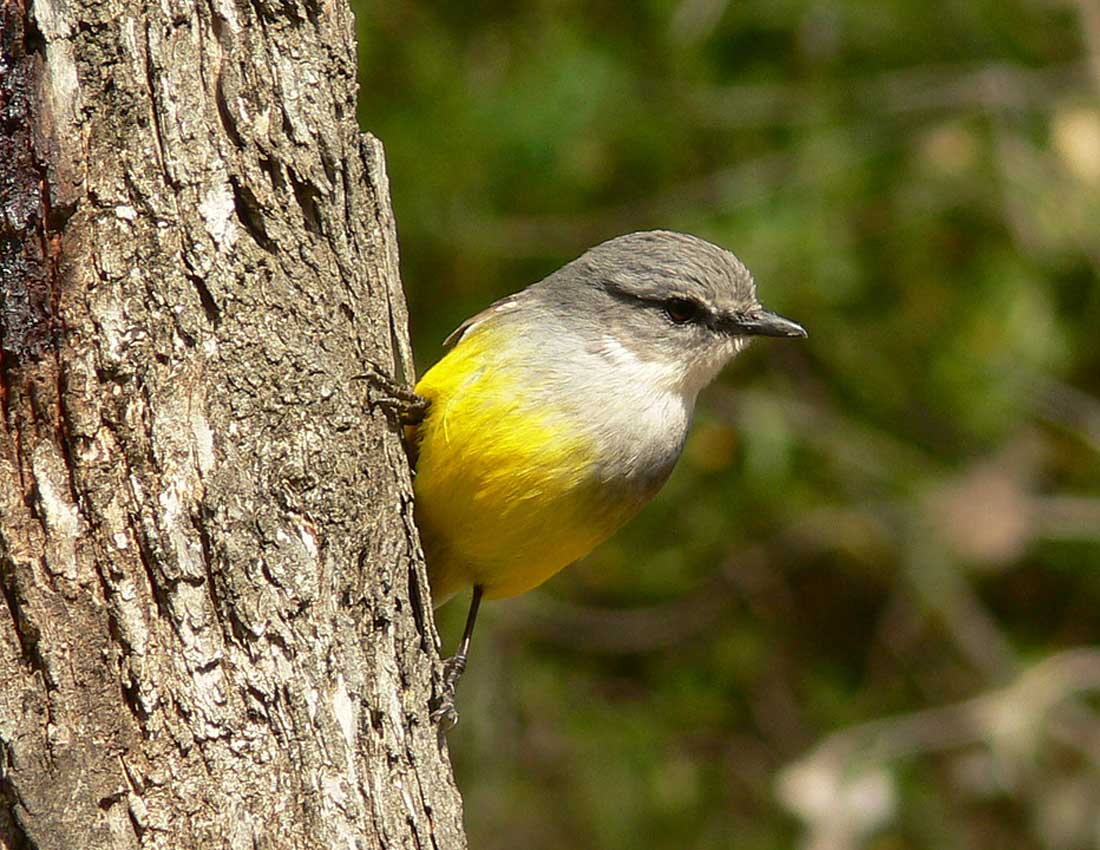
Efforts to protect and restore the Margaret River region’s rivers, wetlands and dams are already gaining strong momentum as part of a bold new plan to safeguard one of the world’s most biodiverse landscapes.
Late last year, Nature Conservation Margaret River Region CEO Aaron Jaggar unveiled the Capes Biodiversity Initiative — a landmark, whole-of-landscape plan designed to protect nature across the Capes region, from forests and freshwater systems through to the coast and ocean.
The long-term strategy recognises the Capes region is like nowhere else on Earth and it aims to bring together community, Traditional Owners, landholders, business, tourism leaders, researchers and government to protect the natural environment that underpins the region’s identity, economy and wellbeing.
This week, Mr Jaggar said one of the key pillars of the strategy — known as Capes Living Waters — is already notching up some great results with its focus on protecting and restoring freshwater ecosystems, including rivers, streams, wetlands and farm dams.
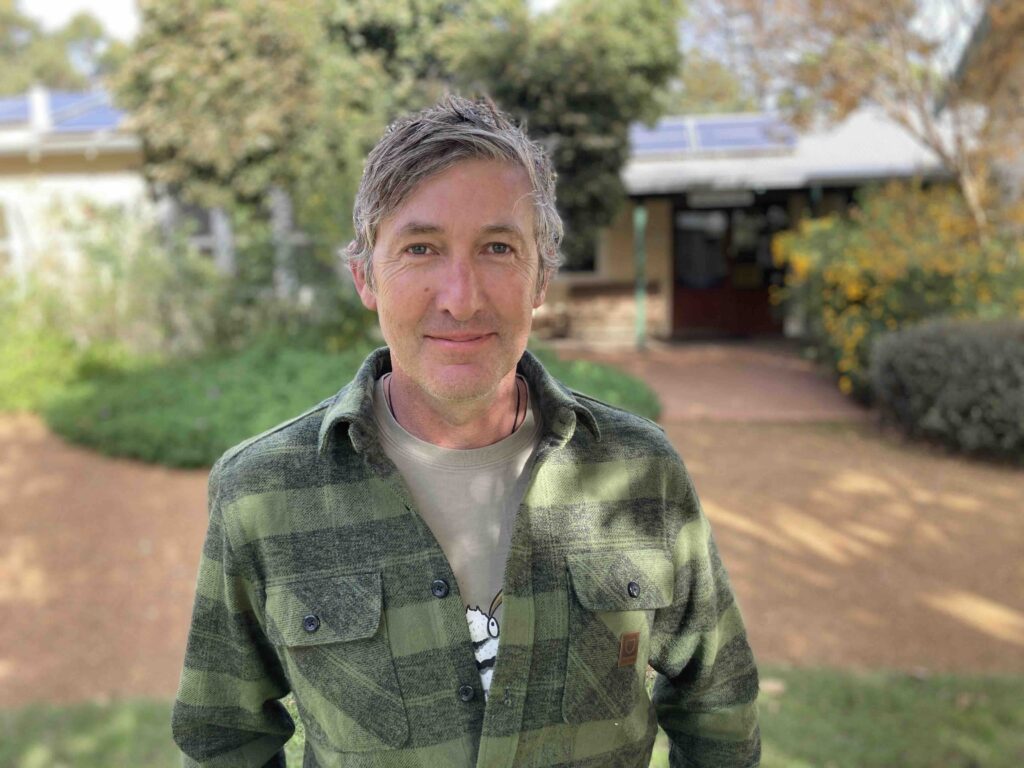
Nature Conservation CEO Aaron Jagger
Freshwater systems are increasingly recognised as vital refuges for biodiversity and important buffers against the impacts of a drying climate. “These waterways connect the landscape and are vital for our unique wildlife,” Mr Jaggar said. “When rivers, wetlands and dams are healthy, they support frogs, fish, birds, insects and mammals, while also improving water quality flowing into our estuaries and coastal waters.”
Nature Conservation Margaret River Region is delivering this work through several programs underway across the region, building on 25 years of solid word to protect our local catchments and waterways.
The organisation’s Protect Wooditjup Bilya initiative has just delivered River Celebration Month, featuring a series of community events designed to connect people with the Margaret River and its wildlife. Activities included a river-focused sundowner, cultural paddle experiences, art workshops, and a community land art trail celebrating the river in collaboration with traditional custodians, local artists, schools and community.
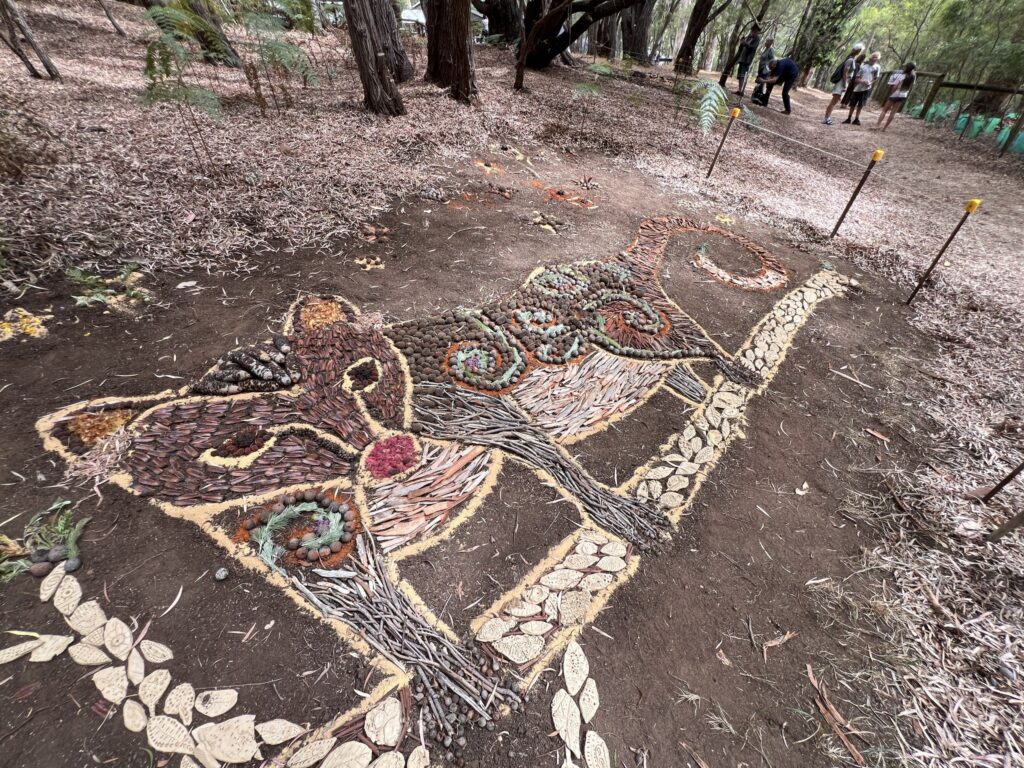
The land art trail attracted big numbers to learn more about the river and engage through art
Research is also underway investigating the impact of reduced flow and increased pressure on the Margaret River’s refuge pools, which sustain many species through the driest time of year.
Meanwhile, community participation is also growing through the popular Friends of Wooditjup Bilya program, where fully booked monthly events combine expert talks with hands-on conservation work along the river.
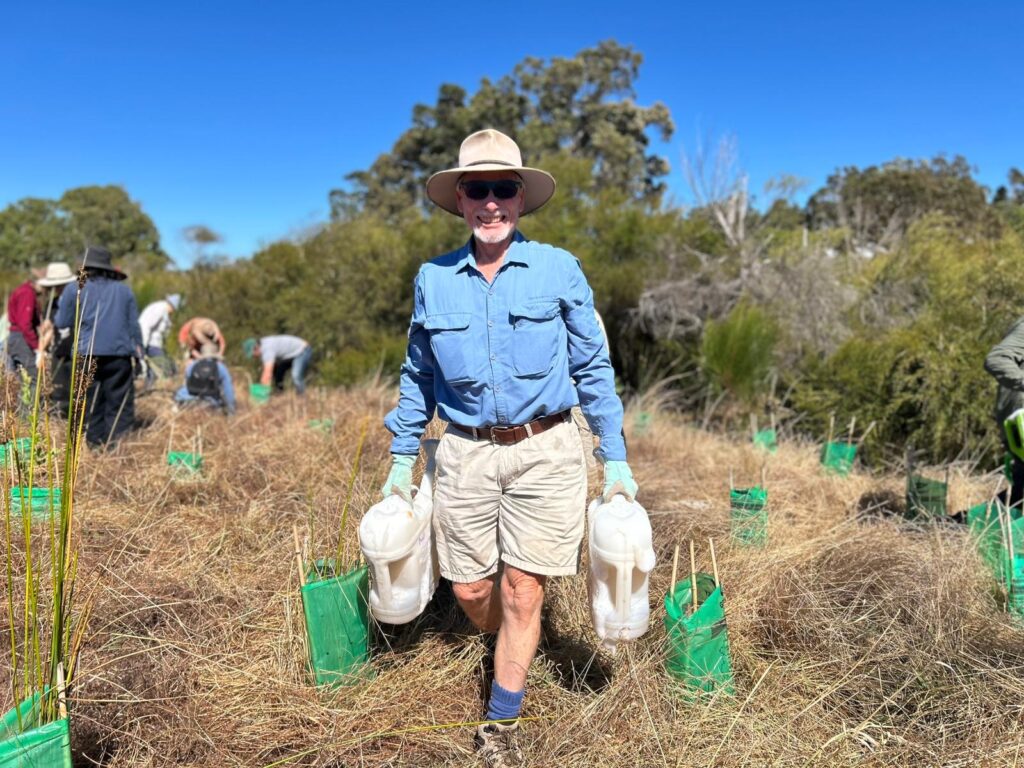
Friends of Wooditjup Bilya volunteers water a revegetation site to keep plants thriving
And a new partnership with Wines of WA and the Margaret River Wine Association is exploring how farm dams and waterways on vineyards and rural properties can be revived as biodiversity havens through improved habitat and vegetation.
Education is another key focus. Through Nature Conservation’s youth initiatives such as Adopt a Spot and Our Patch, school students across the region are learning about their local waterways, the species that depend on them, and the role communities can play in caring for these places.
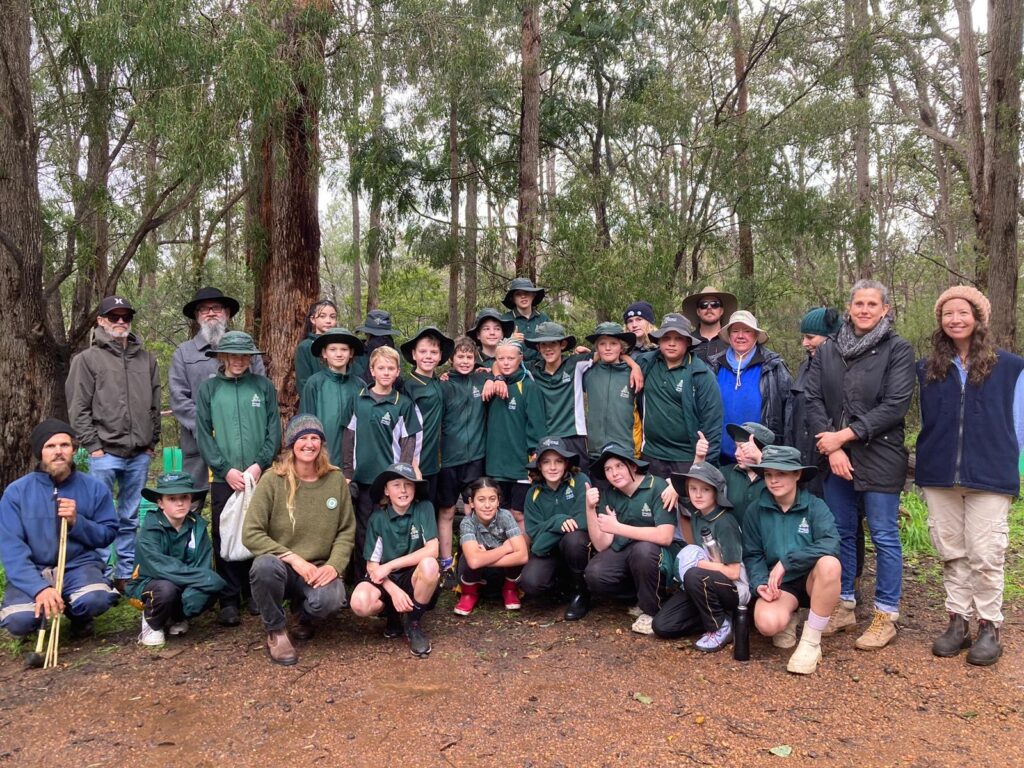
School students learning to protect our waterways in the Our Patch program
Mr Jaggar said the early progress demonstrated the power of local collaboration.
“We’re proud to be forging ahead with this key pillar of the Capes Biodiversity Initiative,” he said. “There’s a huge amount of energy in the community around protecting our rivers and wetlands, and we’re seeing that translate into real on-ground action. But there is still much work to do, and many ways people can get involved as we continue building this long-term effort to protect nature across the Capes.”
Western Australia’s southwest is recognised globally as a biodiversity hotspot — one of just 36 regions on Earth with exceptional levels of unique life that are also under serious threat.
“Our region is home to thousands of plants found nowhere else on Earth, along with remarkable wildlife,” Mr Jaggar said. “To be named a global biodiversity hotspot is both an honour and a warning.
“It means this place is incredibly rich in life — but also that much of its original habitat has already been lost. This strategy is about protecting what makes this region so special, while working together across the whole landscape to restore nature where we can.”
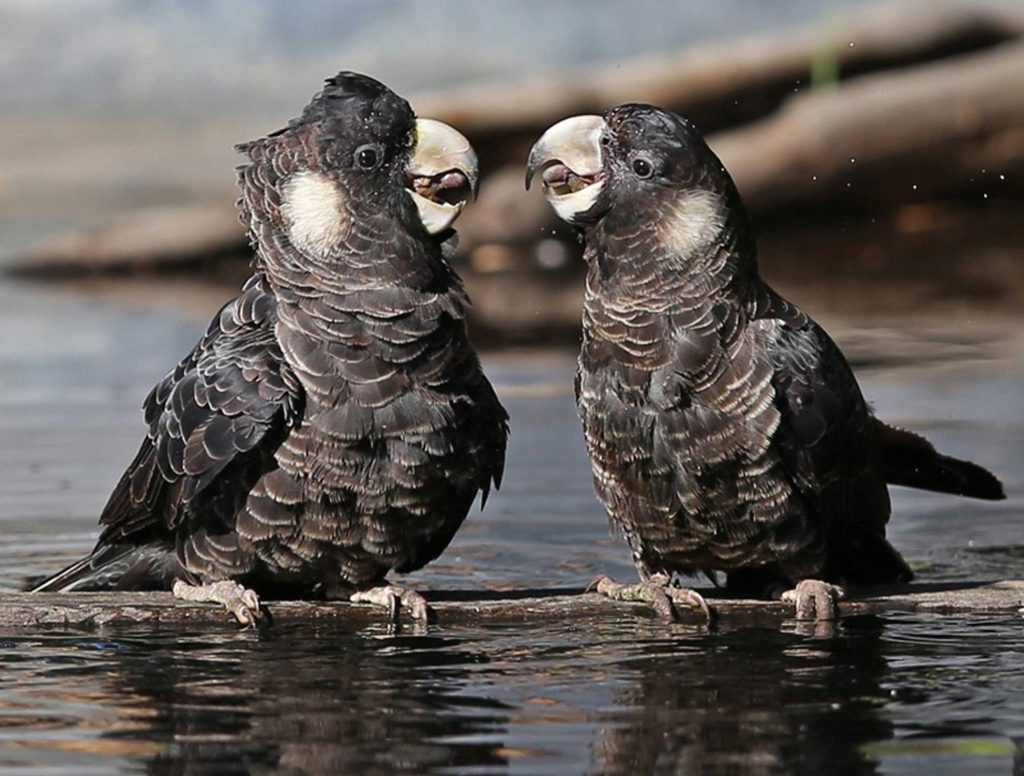
A healthy ecosystem and protection for the region means endangered cockatoos like these can thrive
The Capes Biodiversity Initiative includes four key programs – in addition to freshwater systems, it also includes major initiatives on threatened wildlife, working with landholders, and restoring coastal and marine ecosystems. Underpinning them all is community education as well as better science, including monitoring, data collection, evaluation, biodiversity assessments and mapping.
“Together, these strands form a coordinated approach to protecting the natural systems that sustain life across the Margaret River region,” Mr Jaggar said. “We’ll be keeping everyone posted on successes along the way, and the many opportunities to get involved.”