
Protecting the natural values of the Margaret River Region increasingly requires informed, science-based advocacy — and a dedicated volunteer team is working behind the scenes to ensure the environment has a voice in key decisions.
Nature Conservation Margaret River Region has welcomed several new volunteer advisors to its advocacy team, further strengthening a program that provides expert input into planning proposals, policy changes and environmental decision-making across local, state and federal levels.
The conservation group’s advocacy program relies almost entirely on volunteers with specialist expertise who contribute their time behind the scenes to research proposals, assess environmental impacts and prepare submissions aimed at improving outcomes for nature.
Leading the team is volunteer board advisor Emma Scaife, who brings both legal and environmental expertise to the role.
“Our advocacy work is about making sure the natural values of this region are properly considered in decisions that affect them,” Ms Scaife said. “We take a pragmatic, science-based approach and aim to work constructively with decision-makers, developers and government agencies to find solutions that protect biodiversity – while allowing communities to thrive.”

Emma Scaife plays a key role in Nature Conservation’s advocacy work
Nature Conservation’s advocacy work and submissions
Since establishing the program in 2022, the Nature Conservation has prepared submissions on a range of proposals including development applications, policy reforms, native vegetation clearing and environmental regulations. Each submission typically takes several days of volunteer work and involves a small team reviewing technical reports, planning documents and potential environmental impacts.
Nature Conservation Margaret River Region chair Dr Ann Ward said the advocacy program played a crucial role alongside the organisation’s education, community and on-ground conservation work.
“Strong environmental outcomes require informed voices contributing to policy and planning processes,” Dr Ward said. “Our volunteer advocacy team generously contribute their professional skills and experience to help ensure the environment is properly represented in those discussions.”
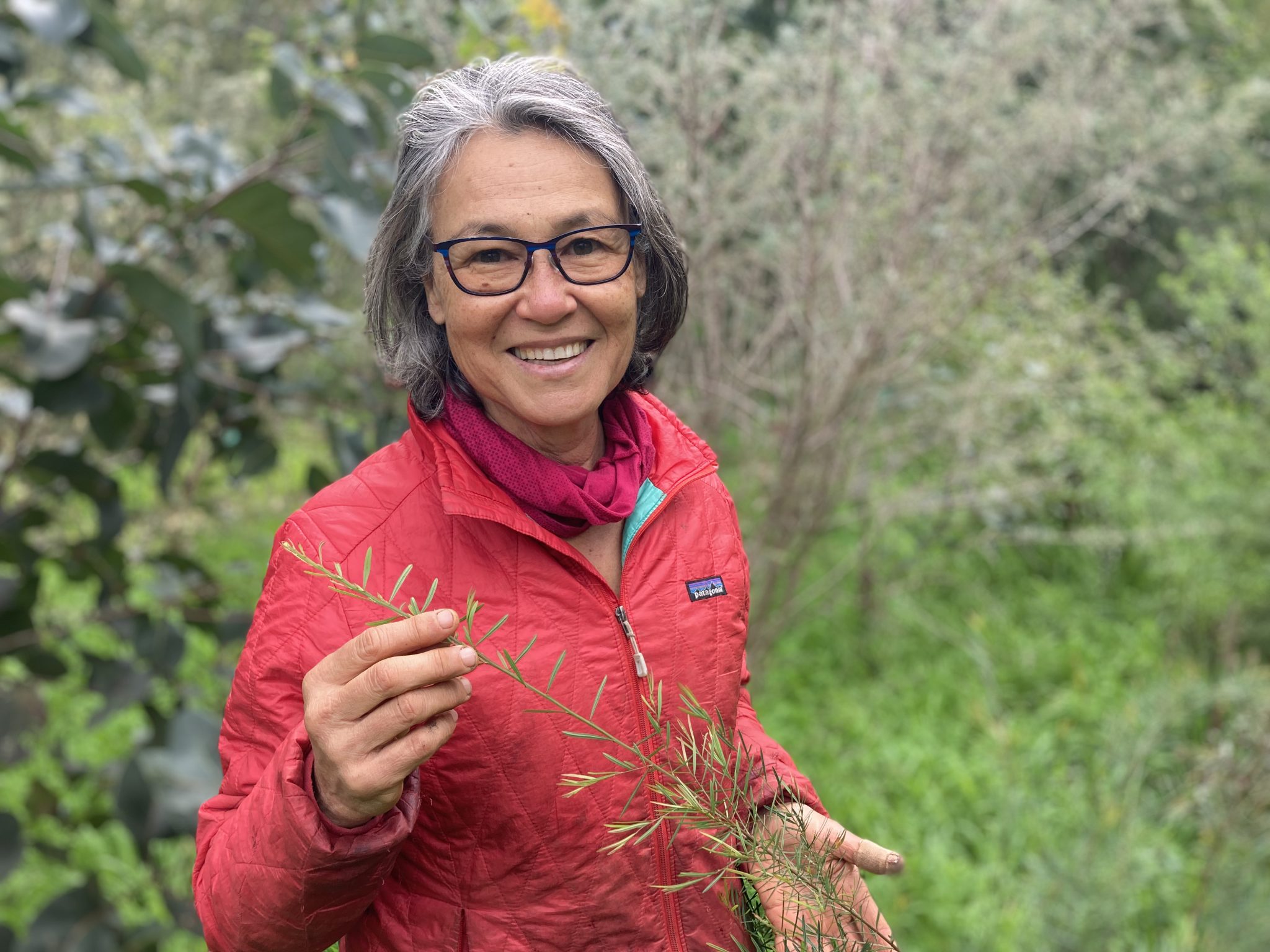
Nature Conservation chair Dr Ann Ward
The advocacy team also includes board member Suzanne Hillier along with planning guidance from advisor Charles Johnson. Lawyer Sarah Low joined the team as the first specialist volunteer.
Together, the team monitors proposals across multiple levels of government — including local planning applications, environmental assessments and policy changes — to identify where submissions may help achieve better conservation outcomes.
Ms Hillier, a lawyer with extensive experience in the health and environment sectors, said protecting the region’s biodiversity required thoughtful engagement with the systems that shape land use and environmental management.
She said the Margaret River Region is globally recognised for its natural beauty and biodiversity, and advocacy is an important mechanism to try and ensure planning and policy decisions reflect the long-term environmental values of this special place.
The organisation typically prepares around six major submissions each year, focusing specifically on environmental conservation and supported by scientific evidence and local knowledge.
“Given the pressures of climate change, biodiversity loss and land-use change, it’s more important than ever that the environment has a clear, credible voice in decision-making,” Ms Scaife said. “Our specialist volunteer team is proud to contribute that voice.”
Nature Conservation Margaret River Region welcomes community members who would like to learn more about its advocacy work or share information about proposals affecting local environments. We also encourage any volunteers with backgrounds in environmental science, law or planning who are interested in making a specialist contribution to consider joining our advocacy team.