
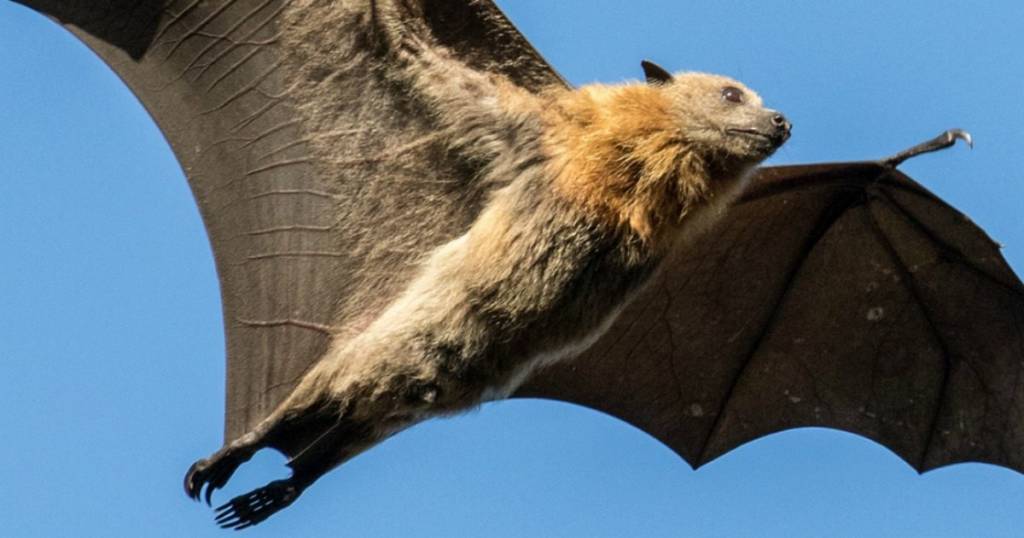
Community volunteers caring for the Margaret River have helped nurture more than 2,500 native plants while learning about one of the region’s most fascinating and misunderstood animals — bats.
The latest Friends of Wooditjup Bilya volunteer day, organised by Nature Conservation Margaret River Region, combined hands-on conservation work with a talk from bat researcher Kelly Sheldrick from the Conservation Council of WA.
Volunteers spent the morning weeding and watering a key revegetation site along the upper Margaret River, covering the entire stretch of 2,500 native plants, alongside landholders Dirk and Ben Funnekotter.. The restoration effort is showing strong results, with around 90 per cent survival and some plants already growing to more than two metres tall.
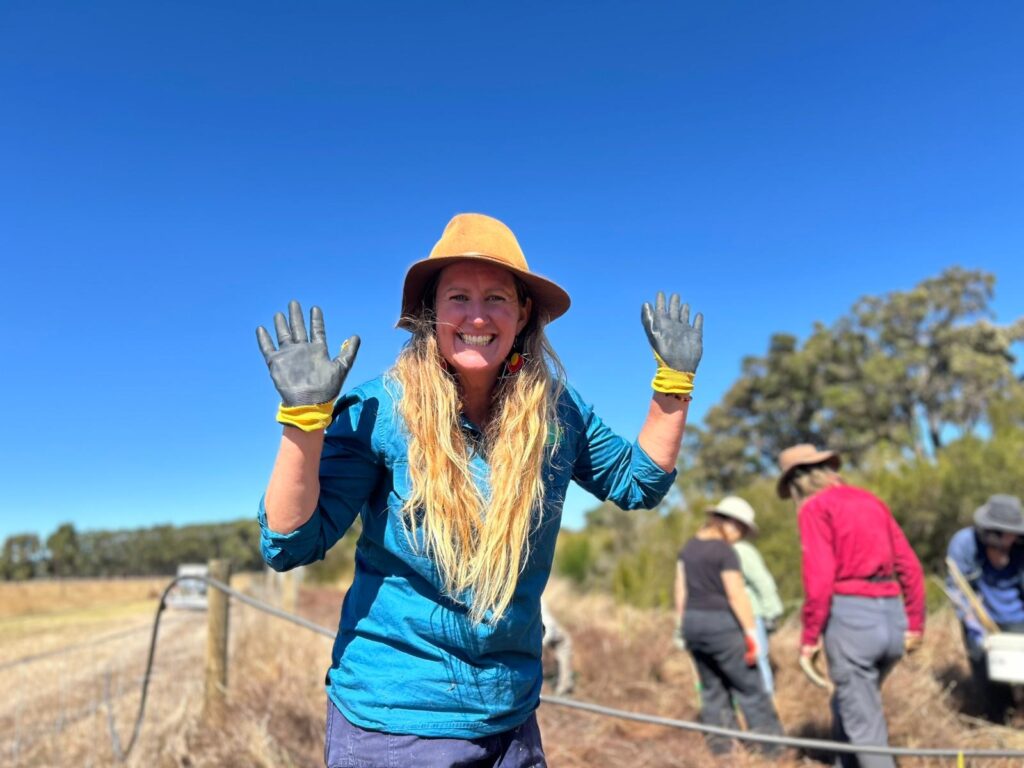
Friends of Wooditjup Bilya coordinator Lauren Scanlon
After the fieldwork, volunteers were joined by Sheldrick, who is currently conducting bat research in the region’s caves in partnership with the Capes Foundation. Despite finishing overnight bat surveys at 3:30am, she still joined the group to share insights into the region’s bat populations and their critical ecological role.
Sheldrick told volunteers that bats are among the most diverse and beneficial mammals on the planet. “There are more than 1,500 species of bats worldwide, found on every continent except Antarctica,” she said. “In Western Australia we have 42 species, including nine in the south west.”
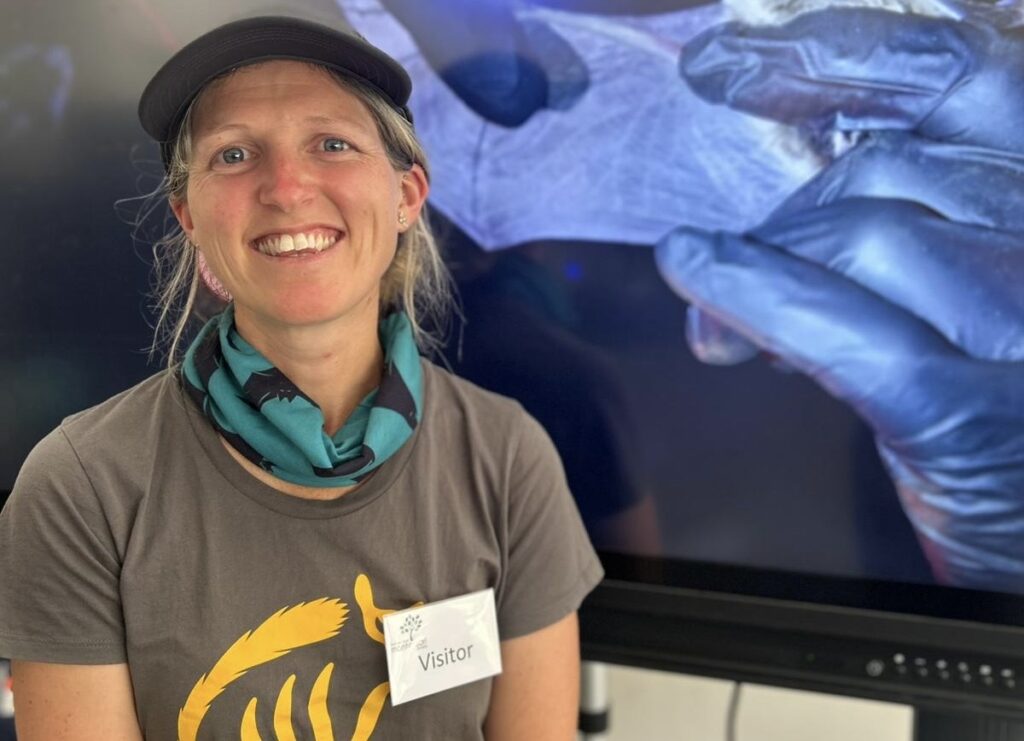
Kelly Sheldrick fascinated the crowd with her knowledge of native bats
Bats play a vital role in ecosystems through pollination, seed dispersal and pest control. Globally, research estimates bats save agriculture around $22.9 billion each year by consuming crop pests. Sheldrick also shared exciting findings from local cave surveys, including evidence of a maternity roost of around 500–800 chocolate wattle bats — a large colony for south-west species and an important site for conservation.
Many local bats rely on caves, tree hollows and crevices for roosting, highlighting the importance of protecting mature trees and natural habitat. The talk also addressed common misconceptions about bats and offered practical advice for residents, including being mindful when pruning trees that may contain hollows used by wildlife.
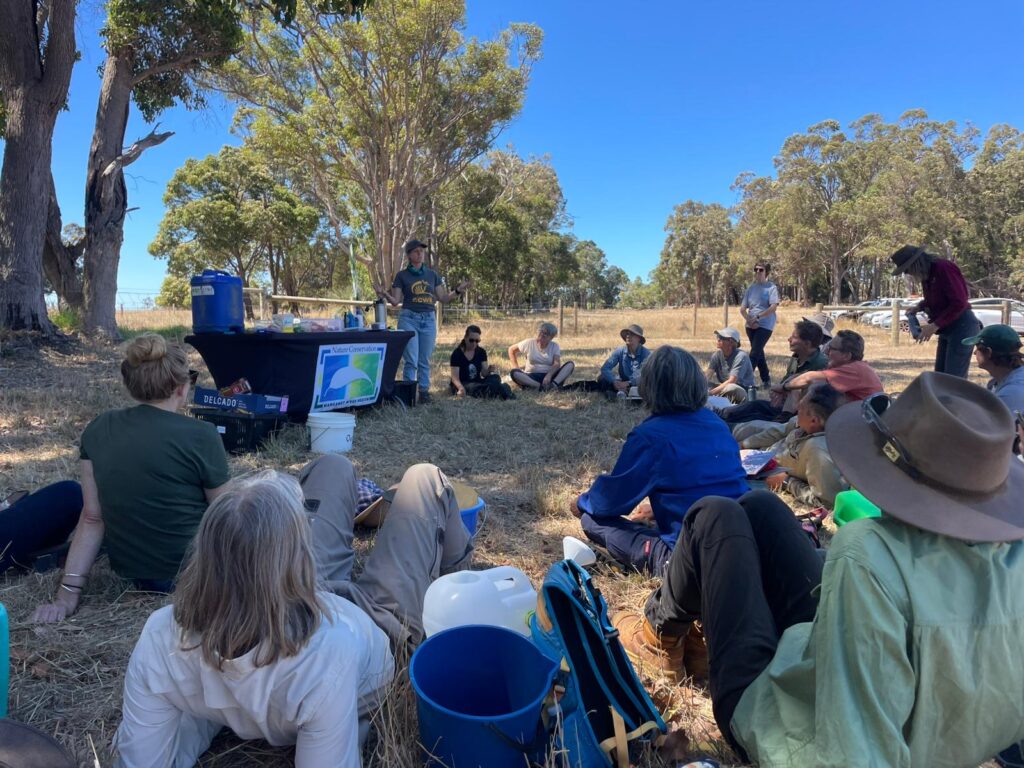
Enjoying the talk on bats after hands-on conservation work
Friends of Wooditjup Bilya volunteer days regularly bring community members together to care for the river while learning from scientists and conservation practitioners working in the region. More information about bat conservation, including guides on bat boxes, pruning and what to do if you find a bat in your home, can be found at: https://ausbats.org.au/bat-fact-sheets/
Nature Conservation Margaret River Region thanked its partners and collaborators including the Conservation Council of WA, WA Bat Network, Australasian Bat Society and the Capes Foundation for helping build community knowledge about bats and their role in healthy ecosystems. The Friends of Wooditjup Bilya program is funded by the Shire of Augusta Margaret River.
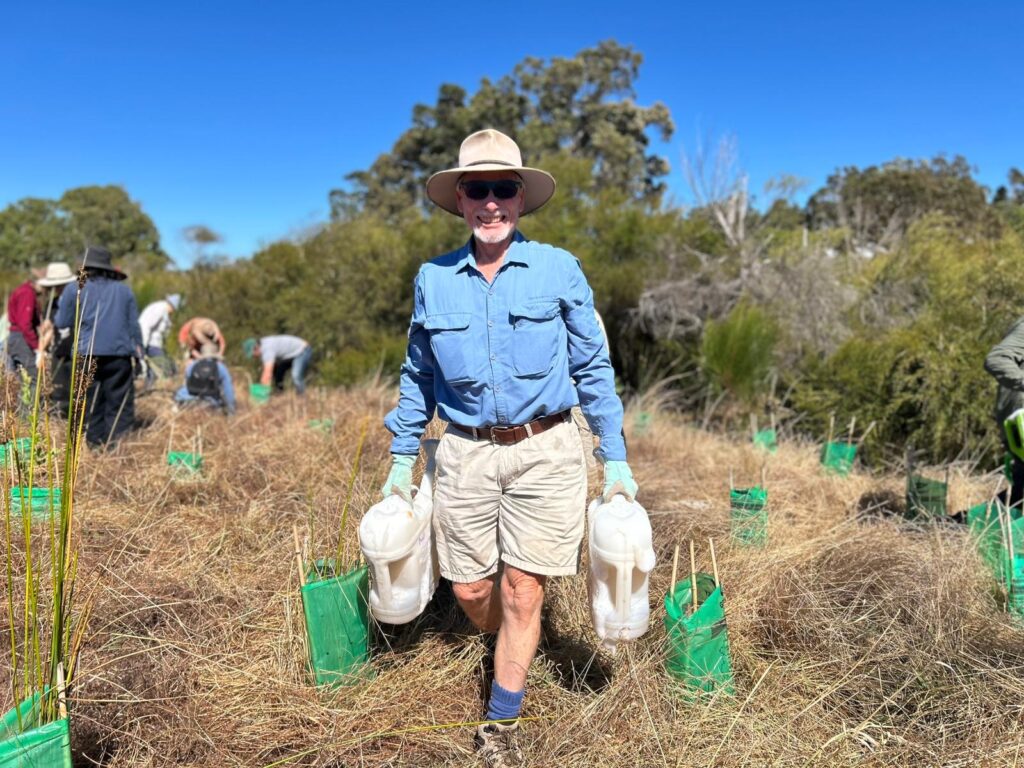
Watering the revegetation site to keep plants thriving