
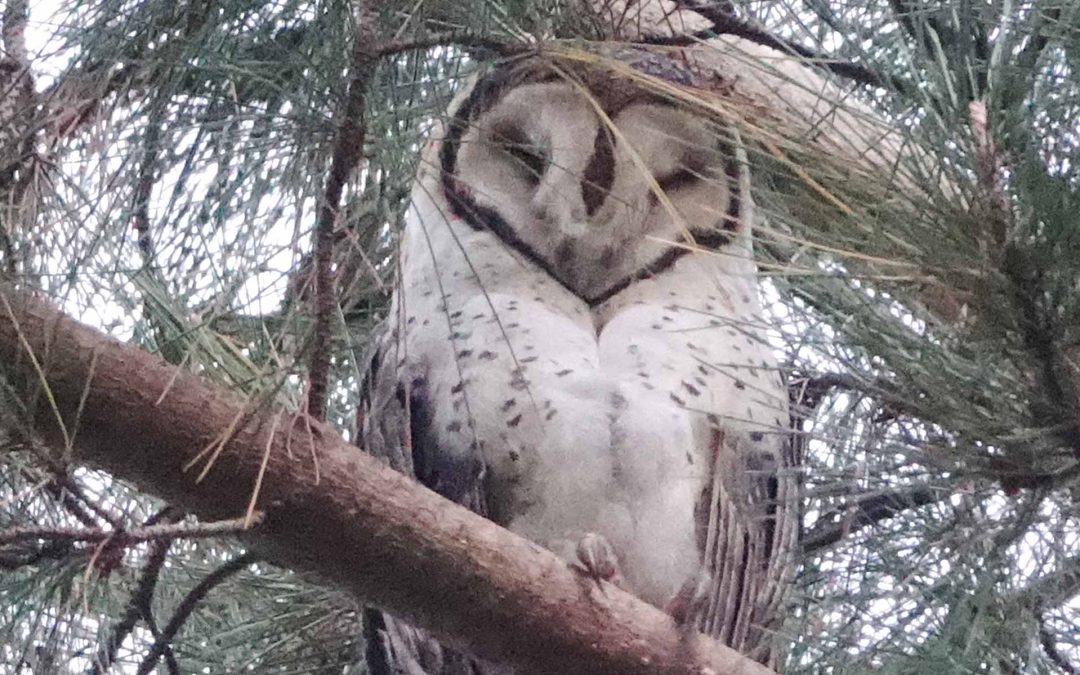
A new community conservation group, Owl Friendly Naturaliste, has formed, building momentum for stronger protection of native wildlife from the impacts of rodenticides across the Margaret River region.
The new chapter follows the success of Owl Friendly Margaret River Region and a newly-formed Bunbury chapter as well, and comes amid growing interest in establishing similar groups in Yallingup and Busselton.
Owl Friendly Margaret River Region was founded by conservationist and former Nature Conservation Margaret River Region board member Boyd Wykes in response to increasing evidence of harm caused by anticoagulant rodenticides to owls, raptors and other native wildlife.
These poisons, commonly used to control rats and mice, accumulate in the food chain. Predators can suffer fatal internal bleeding after consuming poisoned prey.
To help build awareness in the community, locals are invited to a free outdoor screening of the documentary Night Calling on Wednesday 11 March at 6pm at Bailey Brewing, organised by Dunsborough Coast and Landcare.
The film explores the impacts of rodenticides on wildlife and highlights how communities can take action to protect owls and other native species. Attendees can also learn more about the Owl Friendly Naturaliste initiative and how to get involved.
Free tickets are available via Humanitix:
https://events.humanitix.com/owl-friendly-naturaliste-night-calling-documentary
The formation of the new Owl Friendly group comes as conservationists across WA and Australia are ramping up their campaign for a ban on the most dangerous rodenticides, which are widely sold for household pest control. The chemicals — known as second-generation anticoagulant rodenticides — are designed to kill rodents but persist in their bodies, meaning predators such as owls, eagles and hawks are often poisoned when they eat contaminated prey.
Australia’s pesticide regulator is currently reviewing these products in what campaigners say is a once-in-a-generation opportunity to reduce the risk to native wildlife at the source. Conservation groups are calling for tighter controls on the most toxic formulations and clearer warnings so households and businesses can switch to safer alternatives.
Local testing has underscored the scale of the problem. Recent analysis of 13 masked owls from the South West detected rodenticide residues in every bird tested, highlighting how widespread the contamination has become. In Margaret River, at least one pet dog has been poisoned from eating a rat suspected of suffering from rodenticide poisoning.
Campaigners say community education and local action are essential, but ultimately cannot solve the problem alone if highly toxic products remain widely available. Without meaningful reform at the national level, they warn more Owl Friendly community groups may be needed simply to mitigate the damage being caused across the landscape.
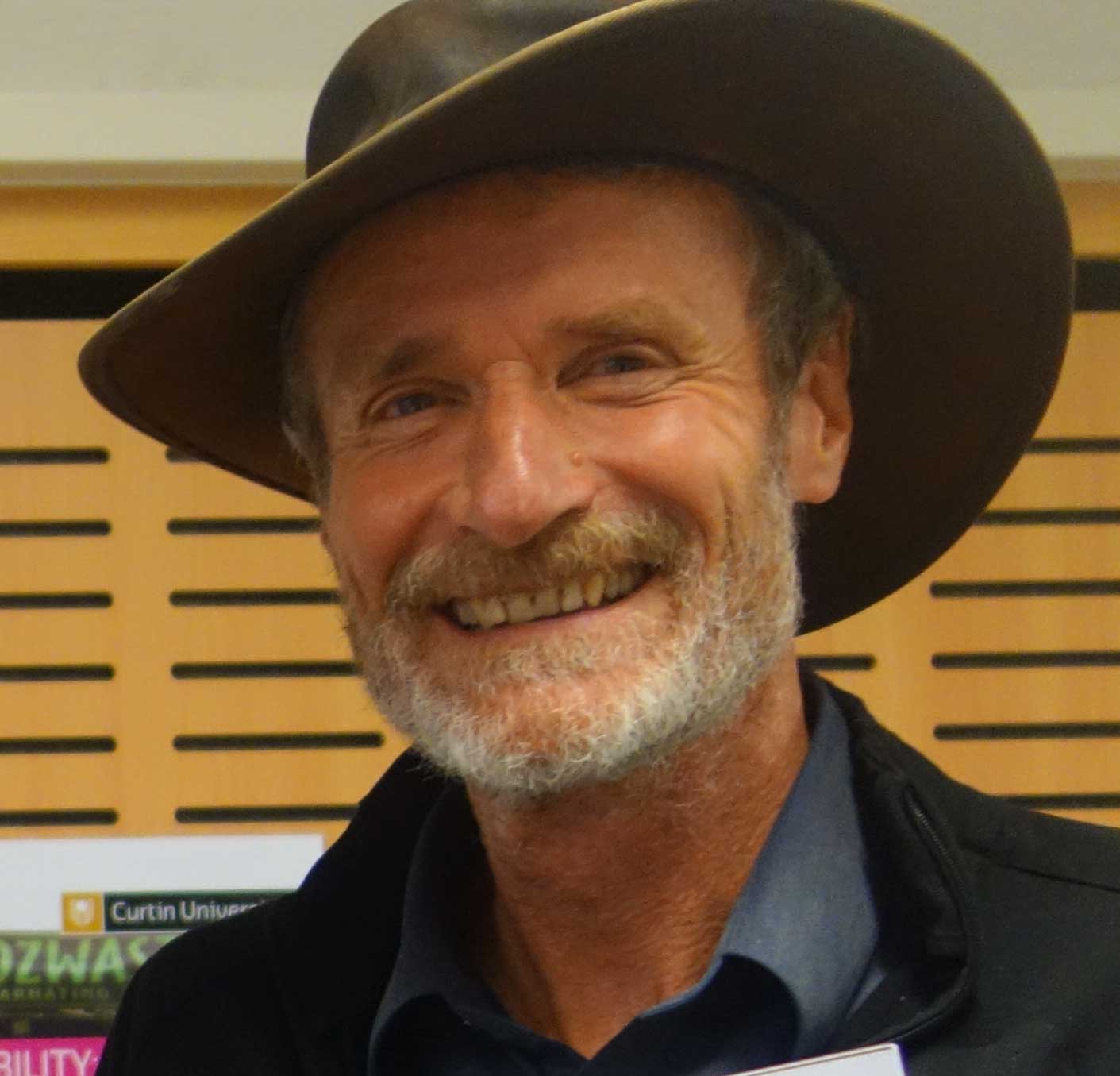
Dr Boyd Wykes
Boyd said the formation of new local chapters showed growing community support for practical action.
“This work has always been about empowering people to protect wildlife where they live,” he said. “Seeing Owl Friendly Naturaliste come together shows how quickly awareness is spreading. Communities want safer alternatives, better information and stronger protections for our owls and other native species.”
The new chapter emerged following discussions at a recent raptor sundowner hosted by the Cape Naturaliste Conservation Enterprise (CNCE), a landscape protection initiative delivered through a partnership between Nature Conservation Margaret River Region and Friends of Meelup.
The event brought together landholders, conservationists and wildlife advocates concerned about declining raptor populations and the ongoing use of toxic rodenticides. CNCE coordinator Mandy Polley said the gathering demonstrated the power of collaboration.
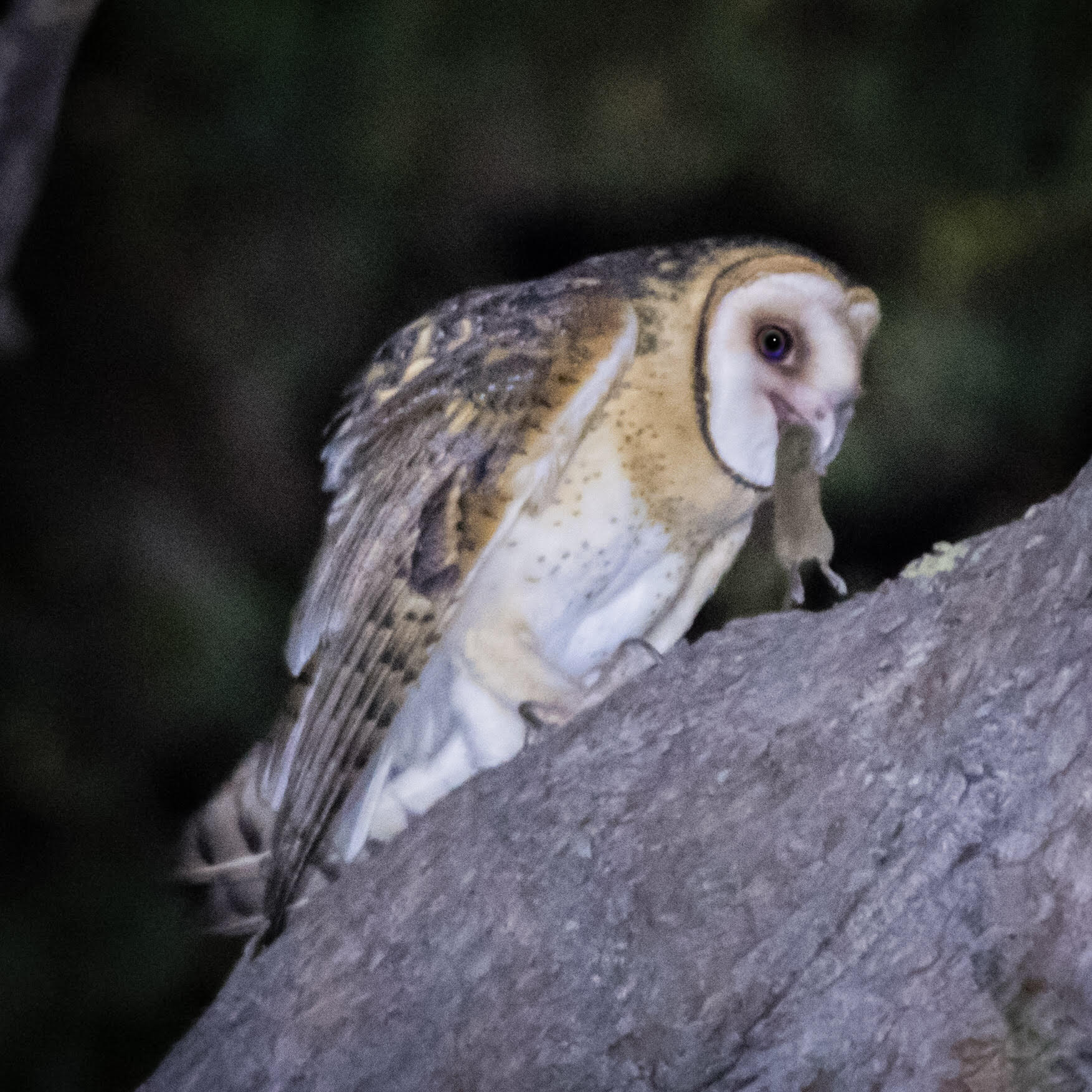
Masked Owl with prey
“People came together around a shared concern for raptors and the health of the wider ecosystem,” she said. “There was strong support for expanding the Owl Friendly approach into the northern Capes communities.”
Owl Friendly groups raise awareness about the risks of rodenticides, promote wildlife-safe alternatives for rodent control, and advocate for stronger protections for native animals. Research has shown that owls, eagles, hawks, quendas and other predators are highly vulnerable to secondary poisoning.
With interest also growing in Yallingup and Busselton, organisers say the expansion of Owl Friendly chapters reflects a shared commitment to protecting the region’s unique wildlife and landscapes through informed community action.