Nature Conservation Margaret River Region is calling for an urgent ramp-up of investment in the fight against arum lily following the invasive species’ listing as a weed that threatens the nation.
A major new decision by the National Biosecurity Committee lists arum lily on Australia’s National Established Weed Priorities list – meaning it is now one of 14 established weeds that have a devastating impact on the environment and require national attention. It marks a significant step forward in efforts to tackle a plant that continues to invade and degrade valuable native vegetation across southern Australia, particularly in the South-West.
However, priority status alone will not deliver action. Government departments, industry and community organisations must now help secure the co-investment needed to implement proposed management measures, including research into biological control.
Nature Conservation is encouraging community members to write to or telephone the offices of WA Minister of Environment Matthew Swinbourn and WA Minister of Agriculture and Food Jackie Jarvis urging them to support investment in arum lily management, including exploratory research into biological control.
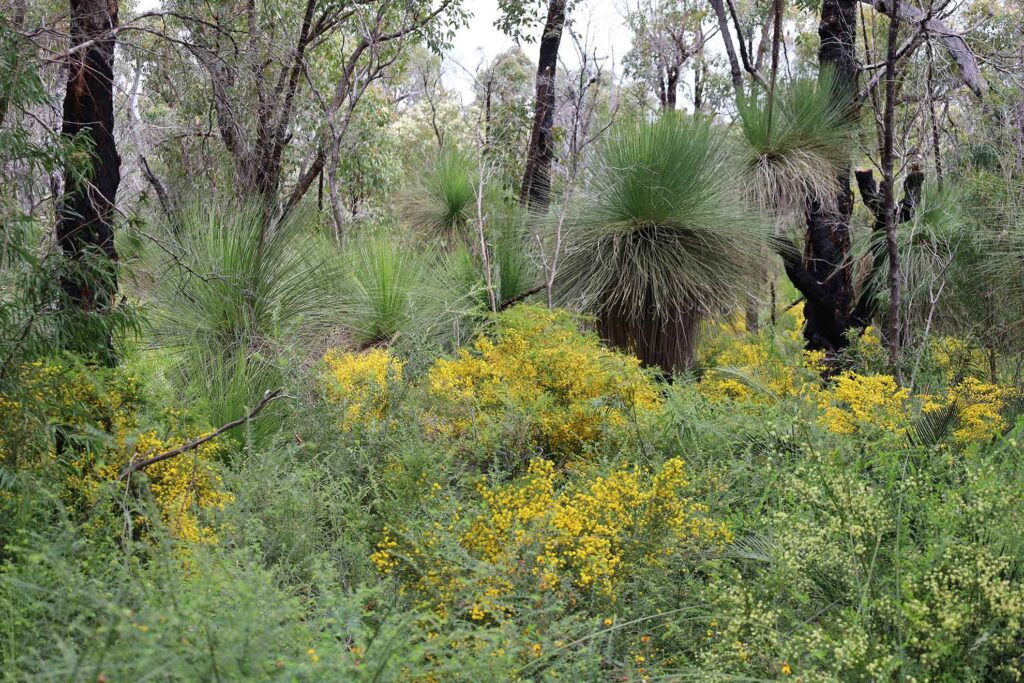
What healthy bush can look like when it is free from arum lily infestations
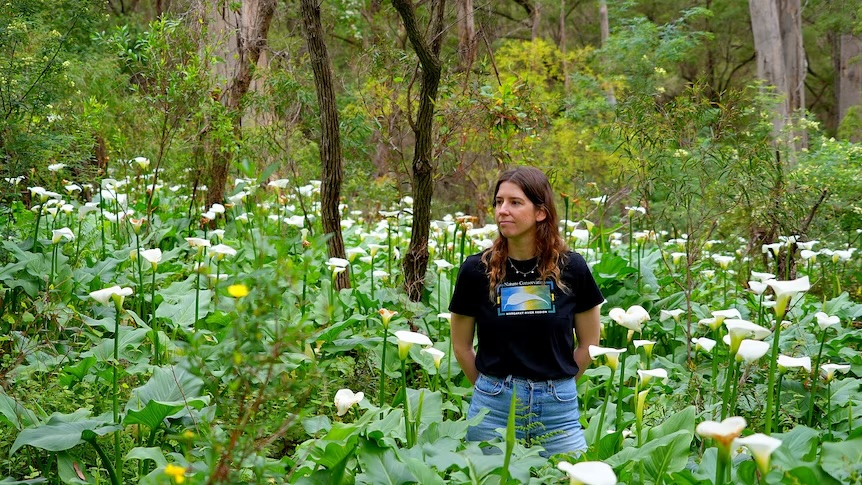
“This is a major opportunity to turn years of community effort into a coordinated, science-led response to arum lily,” said Obelia Walker, Arum Lily Blitz Coordinator at Nature Conservation Margaret River Region. “Our community has worked incredibly hard to tackle this weed, but arum lily continues to spread. We need greater investment in research, best practice control and, critically, investigation into a long-term sustained solution, such as a biological control, if we’re going to make meaningful progress.”
Conservation Council of WA Executive Director Matt Roberts said listing the Arum Lily as a national priority weed was a good first step in addressing this invasive species. “However, as we’ve seen in the most recent WA Auditor General’s report on Threatened Ecological Communities, the government simply isn’t resourcing the action plans needed to address priority species, whether they be invasive or threatened,” Mr Roberts said.
“Nature Conservation Margaret River Region has done fantastic work growing a dedicated volunteer community and building the evidence base. Now we need proper funding to enable meaningful action to be taken.”
Shire of Augusta Margaret River president Julia Jean-Rice said the shire has been “closely watching the devastating impact the arum lily has on our environment for many years” and “urgent investment in research and best-practice control methods is still needed to improve our ability to manage this invasive species across all land tenures to protect our local natural environment.”
Originally introduced as an ornamental plant, arum lily has become a highly invasive environmental weed. It spreads through seed and underground tubers, forming dense infestations that compete with native plants and threaten the integrity of natural vegetation communities. It is particularly problematic in the Margaret River region, where it can displace native vegetation and undermine biodiversity.
With so little intact native vegetation remaining across southern Australia, the need to protect what remains is urgent, says Nature Conservation.
The national assessment proposes a coordinated response encompassing on-ground control, improved detection and mapping, research and development, policy and regulation, community capacity building and the protection of high-value conservation areas. Investigating biological control is a particularly important priority. While community-led control can make a significant difference locally, a safe and effective biological control option may be necessary to manage arum lily at the scale required.
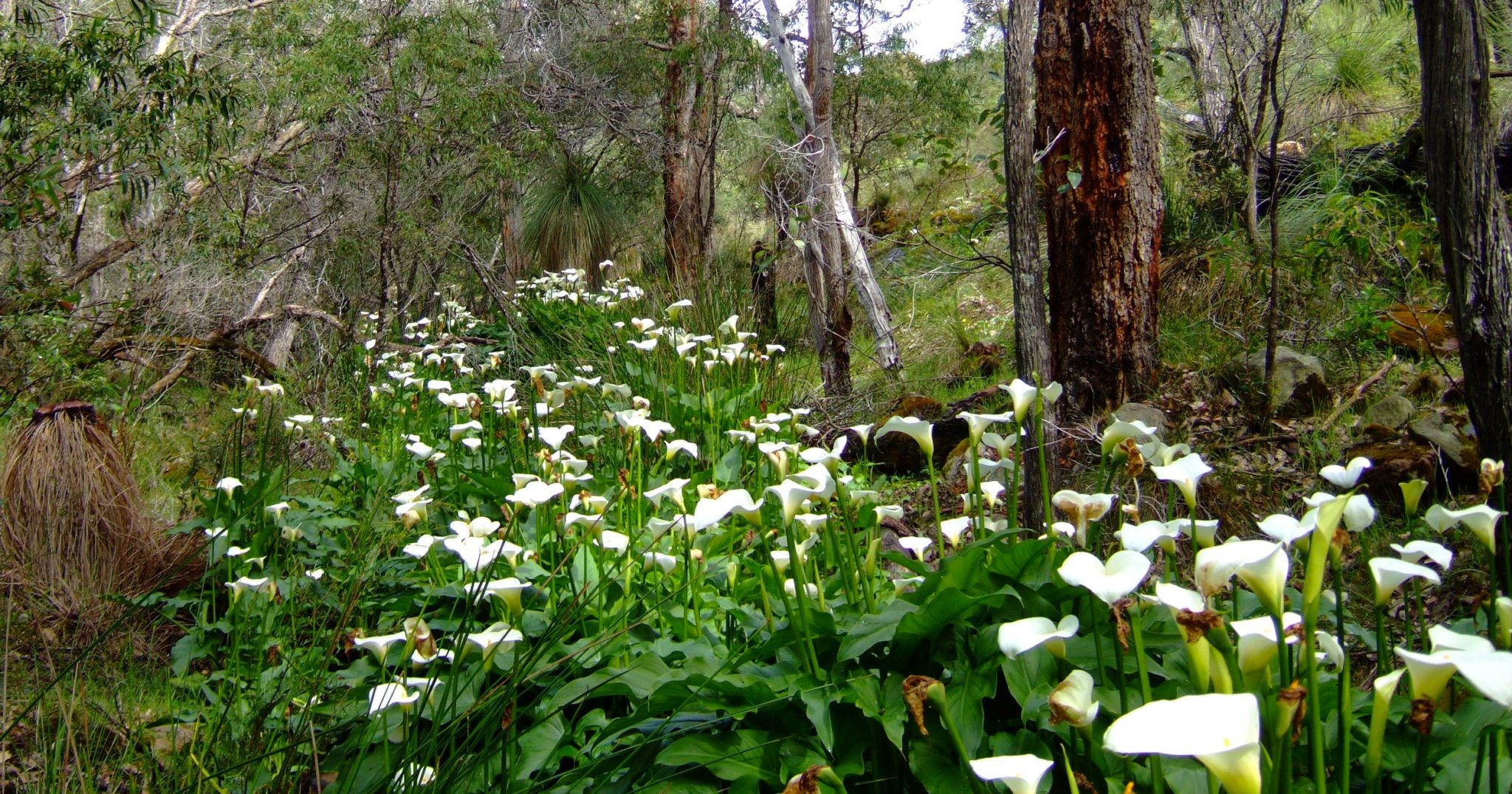
An arum lily infestation
Investigating biological control is a particularly important priority. While community-led control can make a significant difference locally, a safe and effective biological control option may be necessary to manage arum lily at the scale required.
The next step is securing the investment needed to put the proposed management measures into practice. The national listing does not guarantee funding, making support from governments, industry and the community essential.
The WA Government says it’s focus is on controlling arum lily in priority areas – yet it says it has spent only $2.6 million on arum lily control programs across the South-West over the past nine years. Ms Walker said that figure is “pennies” when weighed against the devastation that arum lily can cause in our precious national parks and bushland, turning areas once rich in biodiversity into a wasteland.
And it is even outweighed by landholders. “We know from data collected through the program that landholders have contributed the equivalent of up to $3 million in their own time managing the weed since 2019,” she said.
The Margaret River region is already at the forefront of community action against arum lily. Nature Conservation’s Arum Lily Blitz has been supported by around 3,000 landholders, with hundreds more joining the effort each year. The initiative helps landholders tackle infestations on their properties and contributes to a broader effort to protect the region’s unique biodiversity.
Nature Conservation has also made a major contribution to national arum lily distribution data, helping build a clearer picture of the weed’s distribution, supporting research, planning and decisions about where management efforts are most needed. Landholders can also make a difference by taking part in the Arum Lily Blitz, controlling infestations on their properties and helping build knowledge of the weed’s distribution.
“National recognition gives us a real opportunity to make progress, but we cannot afford to lose momentum,” said Ms Walker. “We have a committed community, a growing body of data and a clear understanding of the threat. Now we need the science, resources and coordinated action to protect our native vegetation for the future.”