
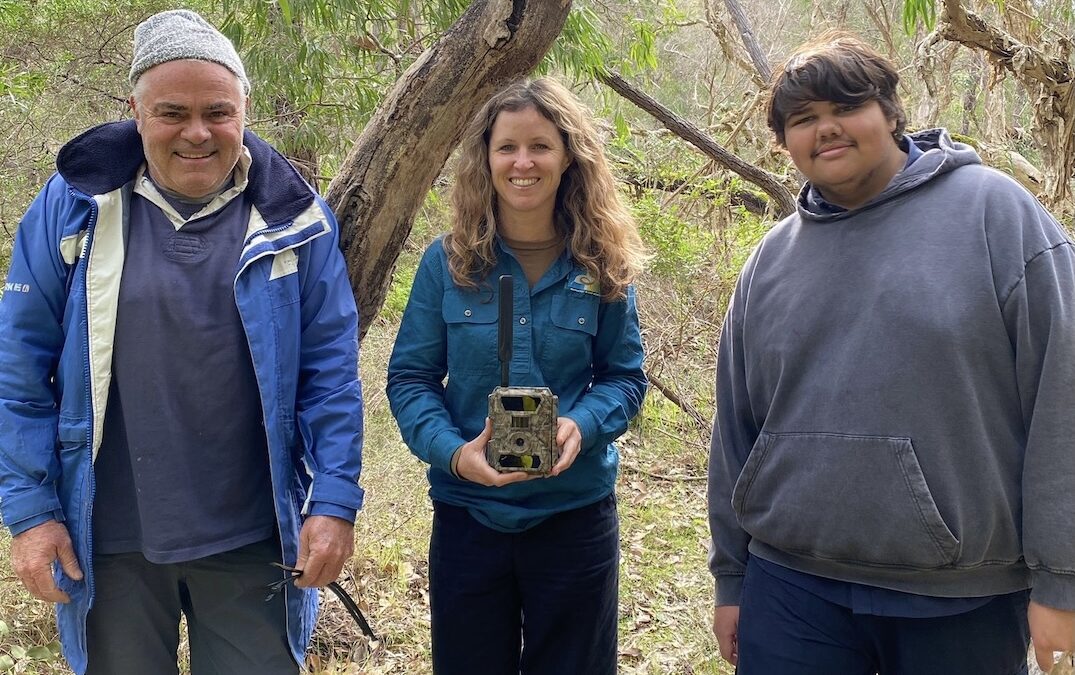
A new wildlife monitoring program will help uncover the hidden fauna of one of Western Australia’s most spectacular coastal landscapes.
The fauna monitoring program, led by the Cape Naturaliste Conservation Enterprise (CNCE), will see 10 wildlife cameras installed across the cape, capturing images of native and feral animals and helping build the most detailed picture yet of the species that live there.
The project is being delivered in partnership with Nature Conservation Margaret River Region and Friends of Meelup, working alongside the Department of Biodiversity, Conservation and Attractions and the City of Busselton.
It complements and builds on wildlife monitoring already underway through the Capes Fauna Project — a Line in the Sand initiative focused in and around the Gracetown area. And comes on top of eight existing cameras in Meelup Regional Park, purchased and managed by Friends of Meelup volunteers thanks to funding from the Lions Shed Dunsborough and the City of Busselton.
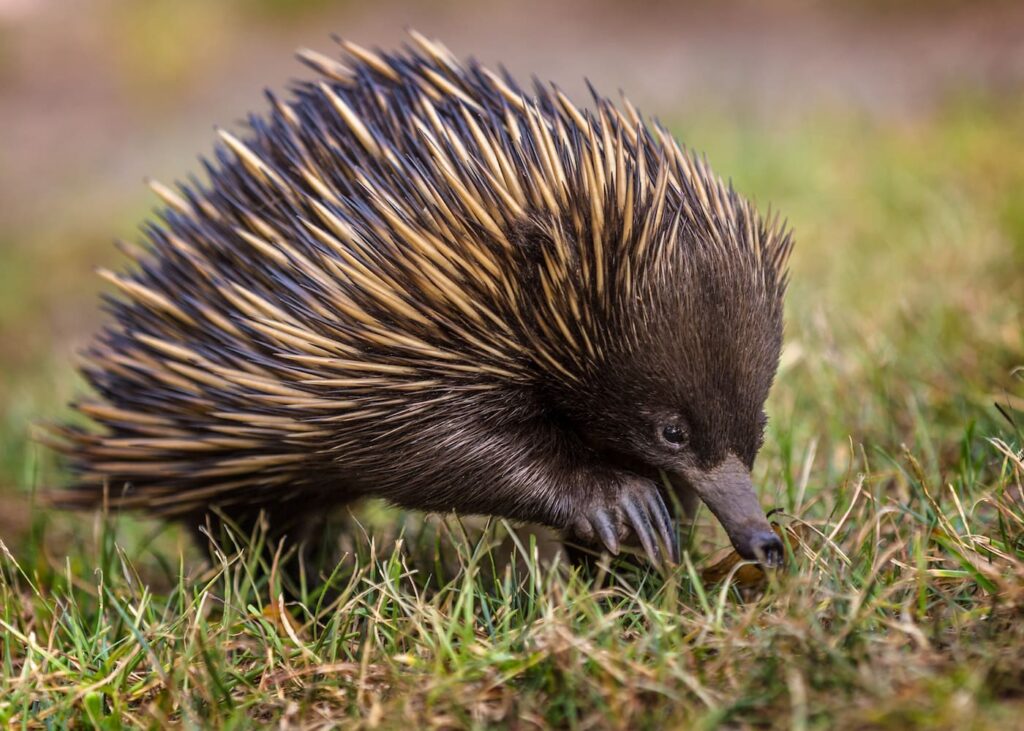
The new cameras will be installed across a range of habitats on Cape Naturaliste to help scientists and conservationists better understand what wildlife is present and how different species use the landscape. The Undalup Association Indigenous Ranger team is also be involved in the project, assisting with the installation of cameras in the field while building skills in fauna monitoring and conservation.
Early monitoring conducted last year revealed a surprising diversity of wildlife in local bushland, including phascogales, possums and quenda.
Thousands of images are expected to be captured as the camera network expands. These will be automatically processed using artificial intelligence software, allowing researchers to quickly identify species and build a clearer picture of wildlife activity across the landscape.
Cape Naturaliste Conservation Enterprise officer Mandy Polley said the project had the potential to reveal exciting new insights about the cape’s wildlife. “We know there are elusive and threatened species on Cape Naturaliste, and we are keen to find out how many there are, and where they hang out,” Ms Polley said.
“We hope to find more evidence of species such as the elusive echidna and chuditch, or native quoll, so that we can focus our protection efforts. “There have even been rumours of quokka on the cape — now that would be an incredible find were it true and we could find evidence.”
The monitoring program will help establish a stronger baseline understanding of wildlife populations on Cape Naturaliste and inform future conservation efforts across the region.
The project is delivered through the Cape Naturaliste Conservation Enterprise in partnership with Nature Conservation Margaret River Region and Friends of Meelup, with support from the Department of Biodiversity, Conservation and Attractions and the City of Busselton. It is funded by the WA Government’s State Natural Resource Management Program.
Pictured: Michael Anderson (Capes Fauna Project), Mandy Polley (Nature Conservation) and Lachy McKay (Undalup Association).