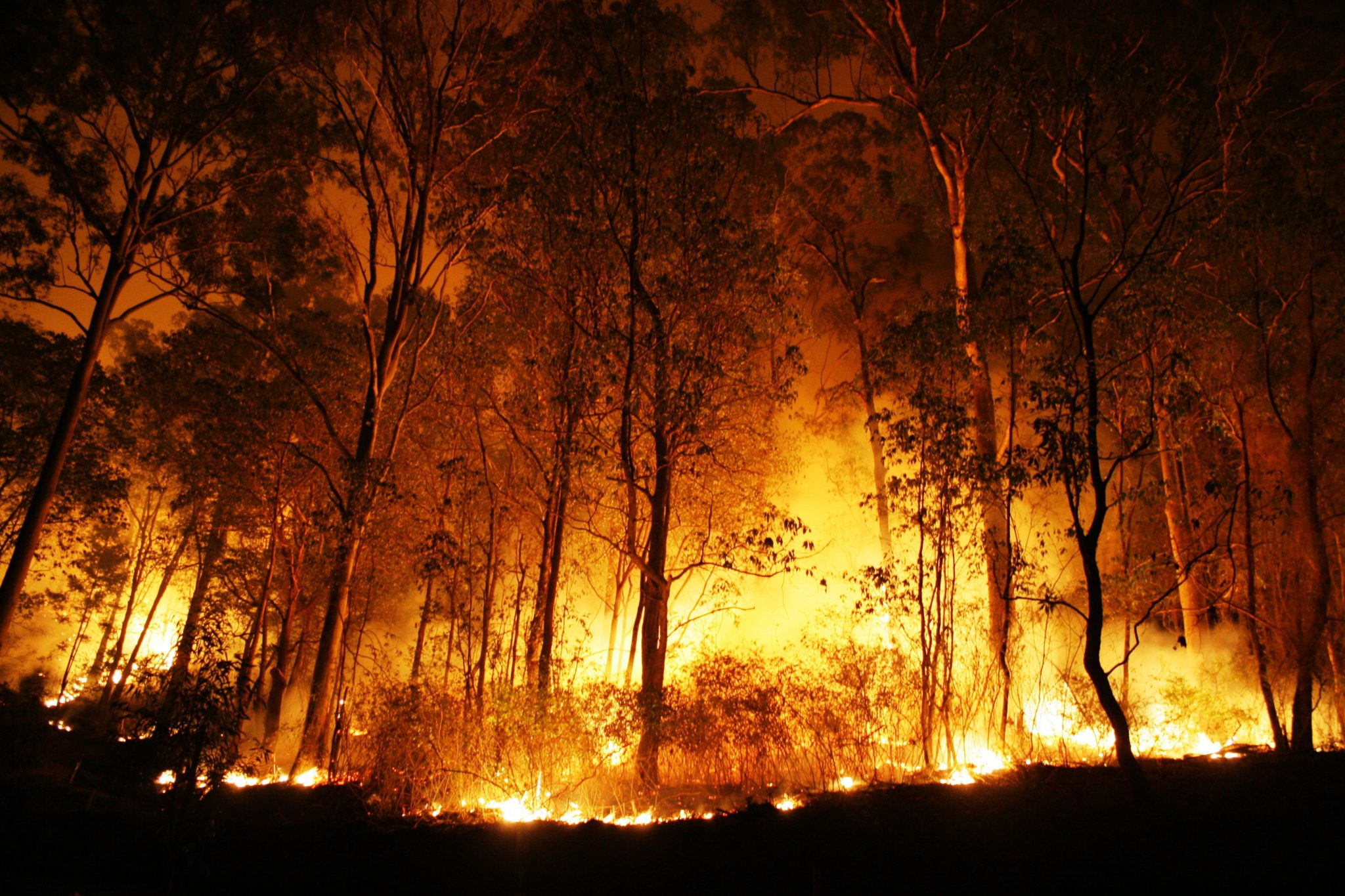
Nature Conservation Margaret River Region is calling for a comprehensive, evidence-based review of prescribed burning policy in WA, saying the growing impacts of climate change and emerging ecological research make it timely to reconsider how fire is managed across the state.
The organisation has released a new position statement that acknowledges prescribed burning remains an important bushfire management tool but argues it should no longer be viewed as the default or primary response across all landscapes.
Nature Conservation Margaret River Region recognises that protecting lives, homes and communities must remain the highest priority in bushfire management. However, the statement argues that decisions about prescribed burning should also fully consider impacts on biodiversity, ecosystem health, human health and long-term landscape resilience.
The statement draws on recent scientific literature questioning whether broad-scale prescribed burning consistently delivers the intended reductions in bushfire risk, particularly during extreme fire weather, while highlighting evidence of impacts on native flora, fauna and sensitive ecosystems from frequent burning regimes.
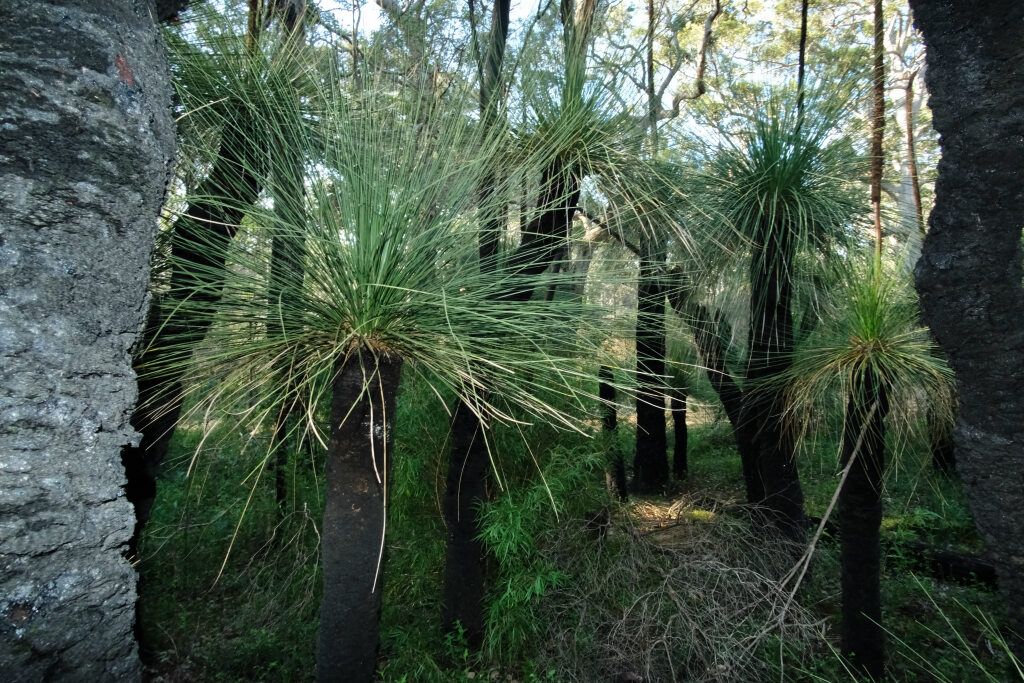
Protecting biodiversity and remnant bushland is a key focus for Nature Conservation Margaret River Region
Nature Conservation chair Ann Ward said the organisation’s position was not about ending prescribed burning, but ensuring fire management evolves alongside the best available evidence.
“Our communities deserve a bushfire management approach that is both effective and evidence-based,” Ms Ward said. “We recognise prescribed burning has an important role in protecting lives and property, but it should be one of a range of tools used to reduce bushfire risk, not the default response across every landscape.
“As our climate changes and our understanding of fire ecology continues to grow, it’s essential that public policy keeps pace. We have an opportunity to build a fire management approach that better protects people, biodiversity and the long-term health of our unique southwest landscapes.”
Ms Ward said the organisation hoped the statement would contribute constructively to a respectful and informed conversation about the future of fire management in Western Australia.
“This is a complex issue with passionate views on all sides. We’re calling for a science-led review that considers the latest research, Indigenous knowledge, technological advances and the values of the community, so we can achieve the best possible outcomes for both people and nature,” she said.
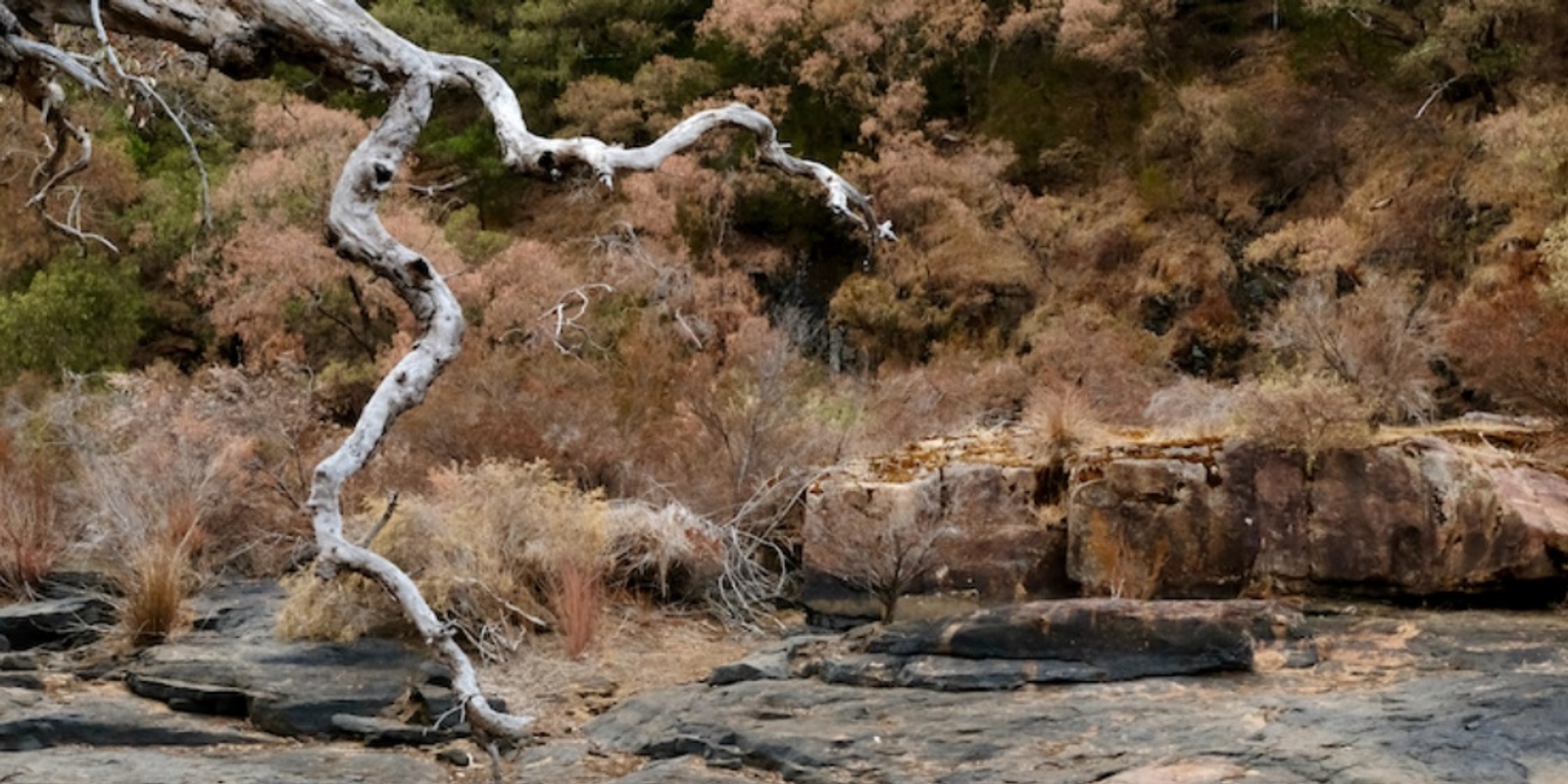
The drying climate is affecting vegetation in the Margaret River region.
The statement recommends government undertake a comprehensive review of prescribed burning policy and practice, including:
- assessing the effectiveness of current prescribed burning approaches alongside alternative fire management strategies;
• placing greater emphasis on targeted burns close to assets and communities where they are most effective;
• incorporating Indigenous cultural burning knowledge where appropriate;
• avoiding broad-scale burning during ecologically sensitive periods wherever possible;
• expanding investment in early fire detection technologies and rapid response capability; and
• ensuring environmental and human health impacts are considered alongside bushfire risk reduction.
Nature Conservation hopes the statement contributes to an informed public discussion about how Western Australia can best protect both communities and the natural environment in an era of increasing bushfire risk.
The full position statement is available HERE.