
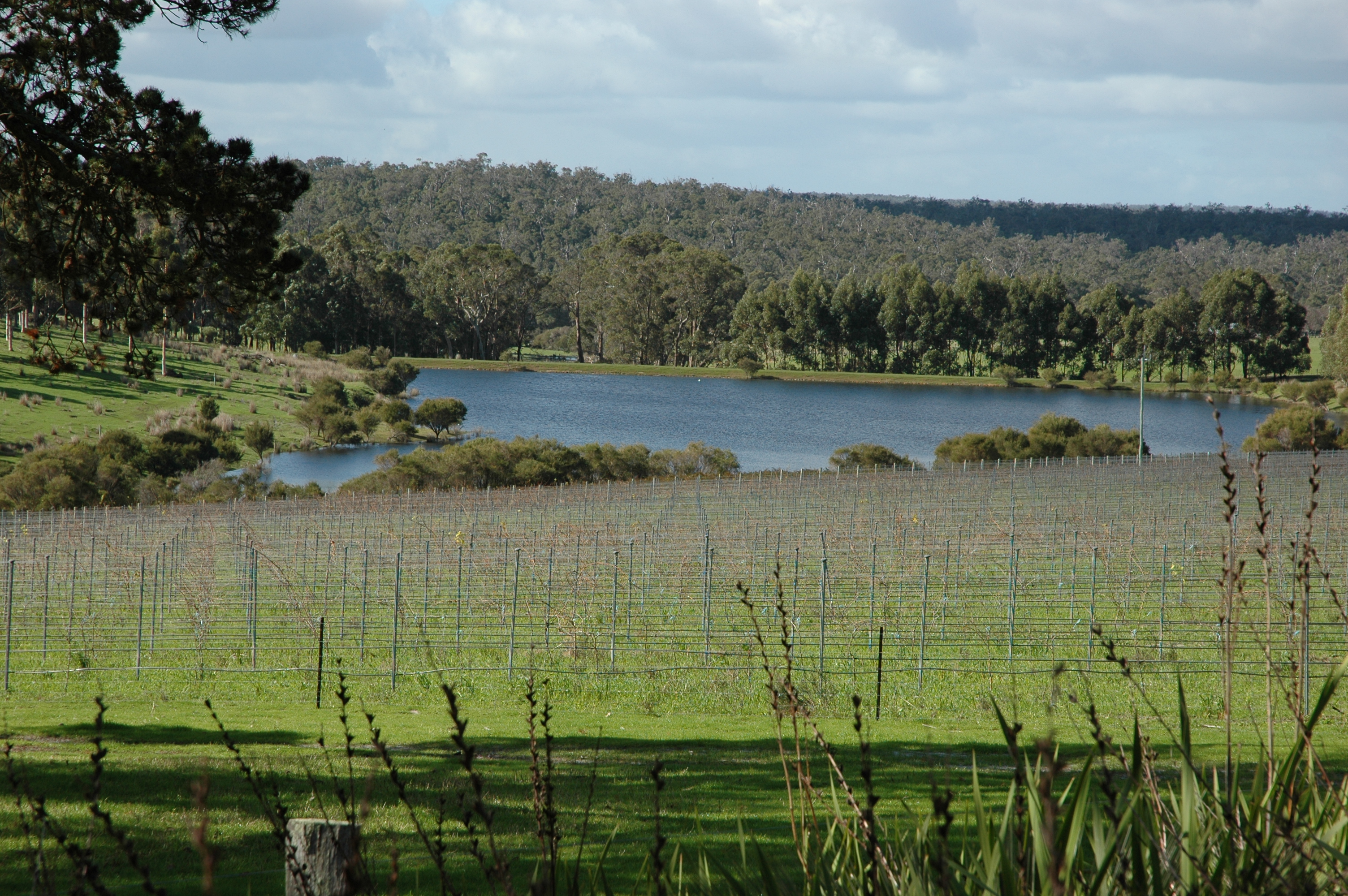
A handful of farm dams and waterways across the Margaret River region are set to be transformed into thriving biodiversity havens through an innovative partnership bringing together conservation experts, the wine industry and local landholders.
Nature Conservation Margaret River Region is partnering with Wines of Western Australia, South Coast Natural Resource Management and vineyard owners to deliver a major dam and riparian rehabilitation project aimed at improving water security, boosting biodiversity and building climate resilience.
The project is part of the Western Australian Wine Sustainability Advancement Program (WAWSAP) and will establish six demonstration sites across the Margaret River and Great Southern wine regions between now and 2028. Three Margaret River sites have been selected: Margaret River Senior High School Farm, Island Brook Estate and Xanadu Wines.
The project will explore how farm dams, waterways and surrounding vegetation can be restored to provide habitat for native wildlife while also improving water quality, reducing evaporation and strengthening resilience to a drying climate.
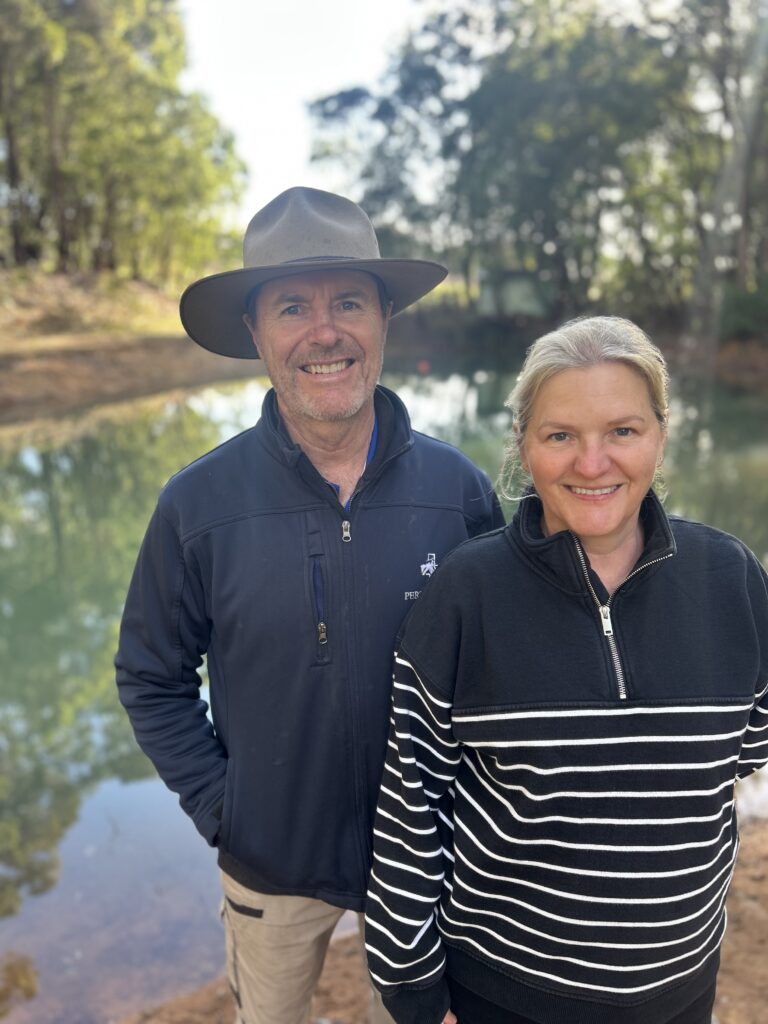
Paul and Jill O’Callaghan from Island Brook Estate are excited to bring more biodiversity to their estate dam
Nature Conservation project manager Ellie Ward said many farm dams had untapped potential as biodiversity assets. “People often think of dams simply as water storage, but they can also provide important habitat for frogs, birds, insects and other wildlife when they are managed well,” she said.
“This is an exciting partnership that brings Nature Conservation’s on-ground expertise in protecting and enhancing biodiversity to a practical restoration project with an important local industry. Revegetating riparian areas is crucial for long-term water security, healthier ecosystems and protecting local biodiversity. “This project provides opportunities to share practical restoration knowledge across the region to ensure we have safe, healthy and biodiverse waterways now and into the future.”
Participating landholders will receive technical support including ecological assessments, biodiversity stewardship plans, farm management surveys and rehabilitation planning tailored to their properties.
On-ground works may include weed control, protective fencing, native revegetation, windbreak plantings to reduce evaporation, low-flow bypass installations to maintain downstream ecology and the creation of habitat features within dams and waterways. The project will also document baseline ecological conditions and monitor changes over time, creating practical case studies that can be shared with other landholders across Western Australia.
Island Brook Estate owners Paul and Jill O’Callaghan said, since taking over the property, their vision is to “restore and protect the natural environment alongside producing premium, sustainably grown wines”.
“Participating in this dam rehabilitation project allows us to improve water security while creating healthier habitats for native flora and fauna. Our family hopes this project will enhance biodiversity across the property, strengthen the resilience of our vineyard for future generations, and demonstrate that productive agriculture and environmental stewardship can work hand in hand,” Paul said.
Jill added: “Undertaking this project will also create opportunities for visitors to experience another side of the Margaret River region by exploring the Island Brook waterway, wandering through our natural jarrah forest, and appreciating the unique southwest landscape and its native flora and fauna.”
Margaret River Senior High School farm manager Anthony Hestor said students would be engaged in the school’s dam project to improve water quality and biodiversity, and he hoped “this project will also demonstrate how food production and land revegetation can benefit from one another”.
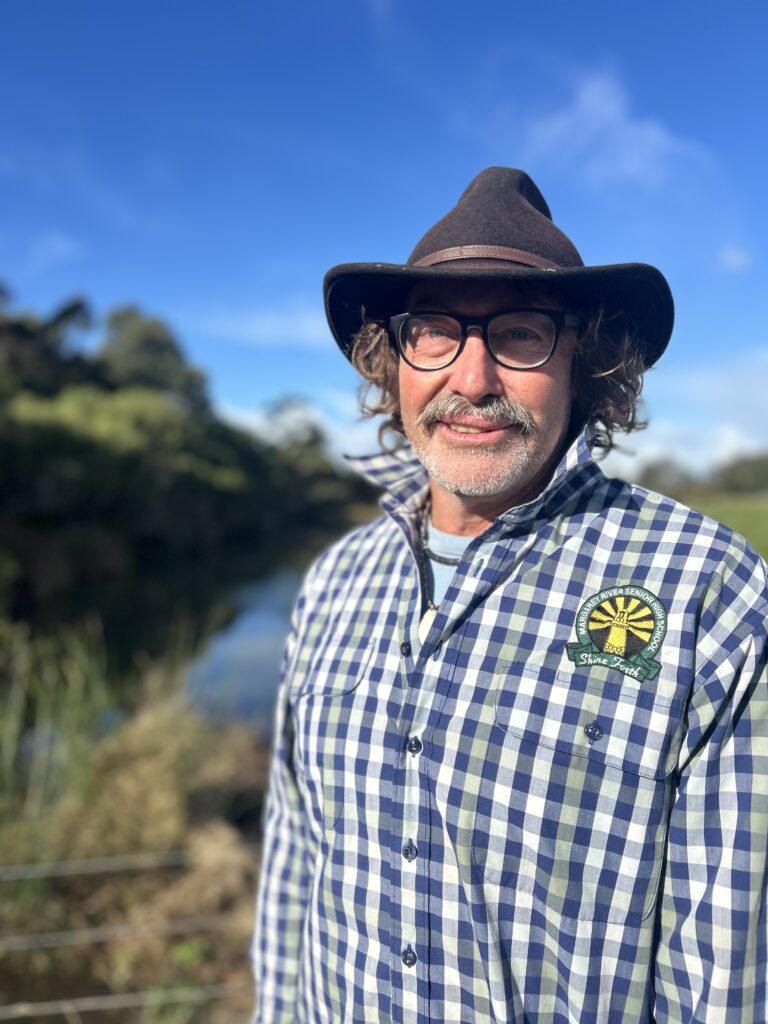
Anthony Hester from Margaret River High School says the dam project will be a great learning opportunity for students
Nature Conservation Margaret River Region CEO Aaron Jaggar said the project aligns closely with the organisation’s broader Capes Living Waters initiative, a key pillar of the Capes Biodiversity Initiative.
“Freshwater systems are some of the most important and overlooked ecosystems in our landscape,” he said. “Healthy dams, wetlands, streams and rivers support biodiversity, improve water quality and help landscapes adapt to climate change. This project demonstrates how conservation and productive agriculture can work hand in hand to deliver benefits for both nature and farming businesses.”
The six demonstration sites will become living classrooms for the wider industry, with field days, workshops and an online knowledge hub planned to share lessons and best-practice restoration approaches.
The project forms part of a broader sustainability program being delivered by Wines of Western Australia, which is helping wine businesses strengthen environmental performance and prepare for future climate challenges.
The WA Wine Sustainability Advancement Program (WAWSAP) is a nine-partner consortium initiative led by Wines of Western Australia and supported by the Australian Government through funding from the Climate-Smart Agriculture Program under the Natural Heritage Trust. The WAWSAP was enabled by the Western Australian Wine Industry Partnership, an industry-led initiative supported by the WA Government. WAWSAP plays a key role in delivering the Wine Industry Partnership’s Sustainability Strategy.