
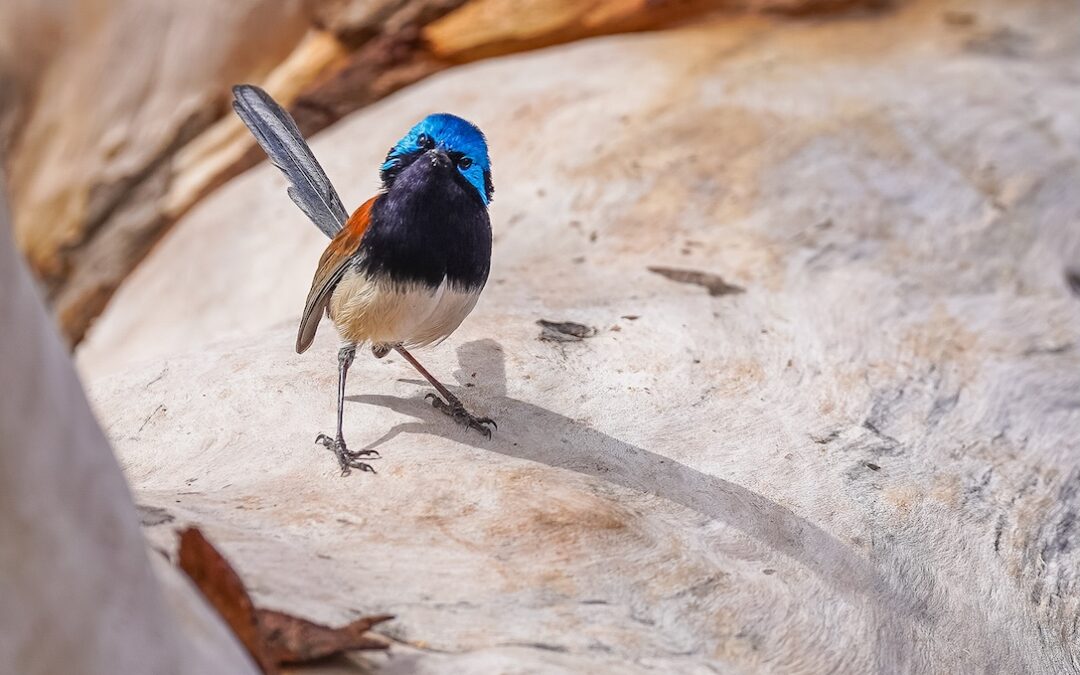
From the Margaret River to the coastlines, forests and wetlands that make this region famous, a growing community movement is working to protect a place that is quite literally like nowhere else on Earth.
Nature Conservation Margaret River Region has launched its end-of-financial-year campaign “Like Nowhere Else on Earth”, highlighting both the extraordinary natural values of the region and the urgent need to safeguard them for future generations.
The Margaret River region sits within one of just 36 internationally recognised Biodiversity Hotspots on the planet, home to an extraordinary concentration of unique plants and animals found nowhere else. It is also home to the Leeuwin-Naturaliste National Park, the most visited national park in Western Australia, attracting more than 4.2 million visits each year.
Yet despite its global significance and popularity, the region’s natural environment faces growing pressure.
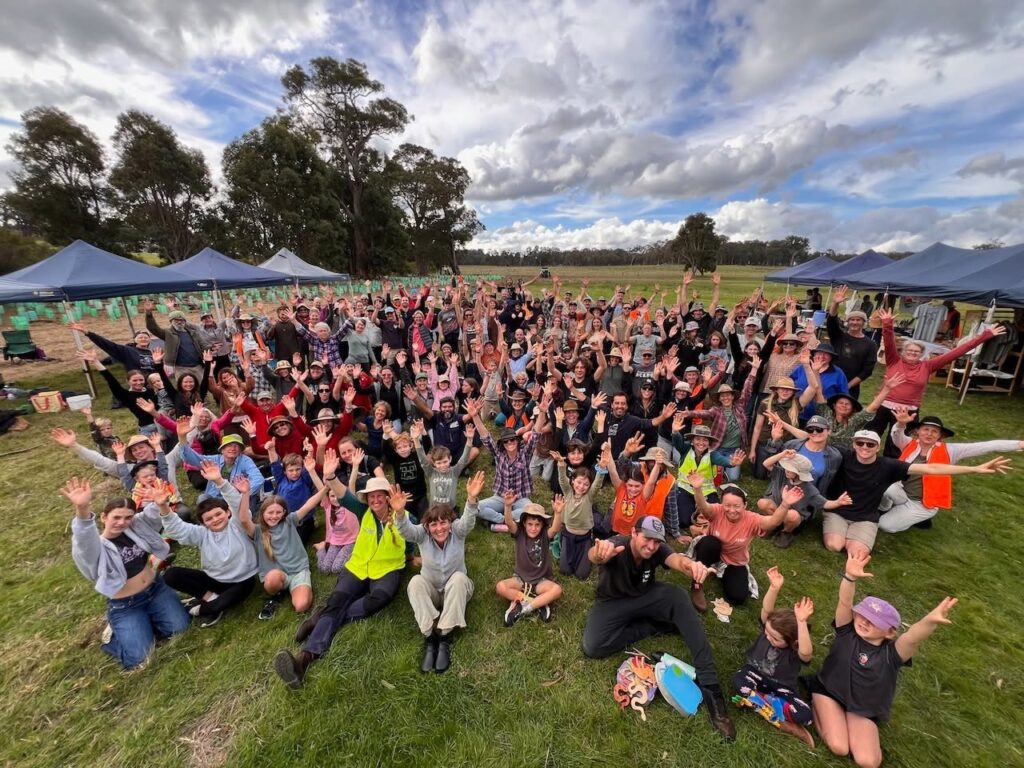
Volunteers at our recent Together With Nature tree planting festival
The Wooditjup Bilya (Margaret River) itself — the waterway that gives the region its name — has experienced around a 20 per cent decline in rainfall and a 50 per cent reduction in streamflow over recent decades, placing increasing pressure on ecosystems already challenged by habitat loss, invasive species and climate change.
Despite the significance of places like the Margaret River region, investment in nature remains far below what is needed. Nationally, just 0.6 per cent of the Federal Budget is directed towards protecting and restoring the environment, leaving communities, landholders and conservation organisations having to fill the gap through practical action on the ground.
Nature Conservation Margaret River Region is bringing together volunteers, landholders, scientists, schools and everyday locals to respond to these challenges through practical, on-ground action.
Across the region, thousands of native plants are being established each year, wildlife habitat is being restored, river systems are being protected, and coordinated programs such as the Arum Lily Blitz are helping turn the tide on invasive weeds threatening biodiversity.
But the organisation says the real story is the people behind the work. It’s volunteers spending weekends planting trees along the Wooditjup Bilya. It’s landholders restoring habitat on their properties. It’s school students learning to care for the environment they will inherit.
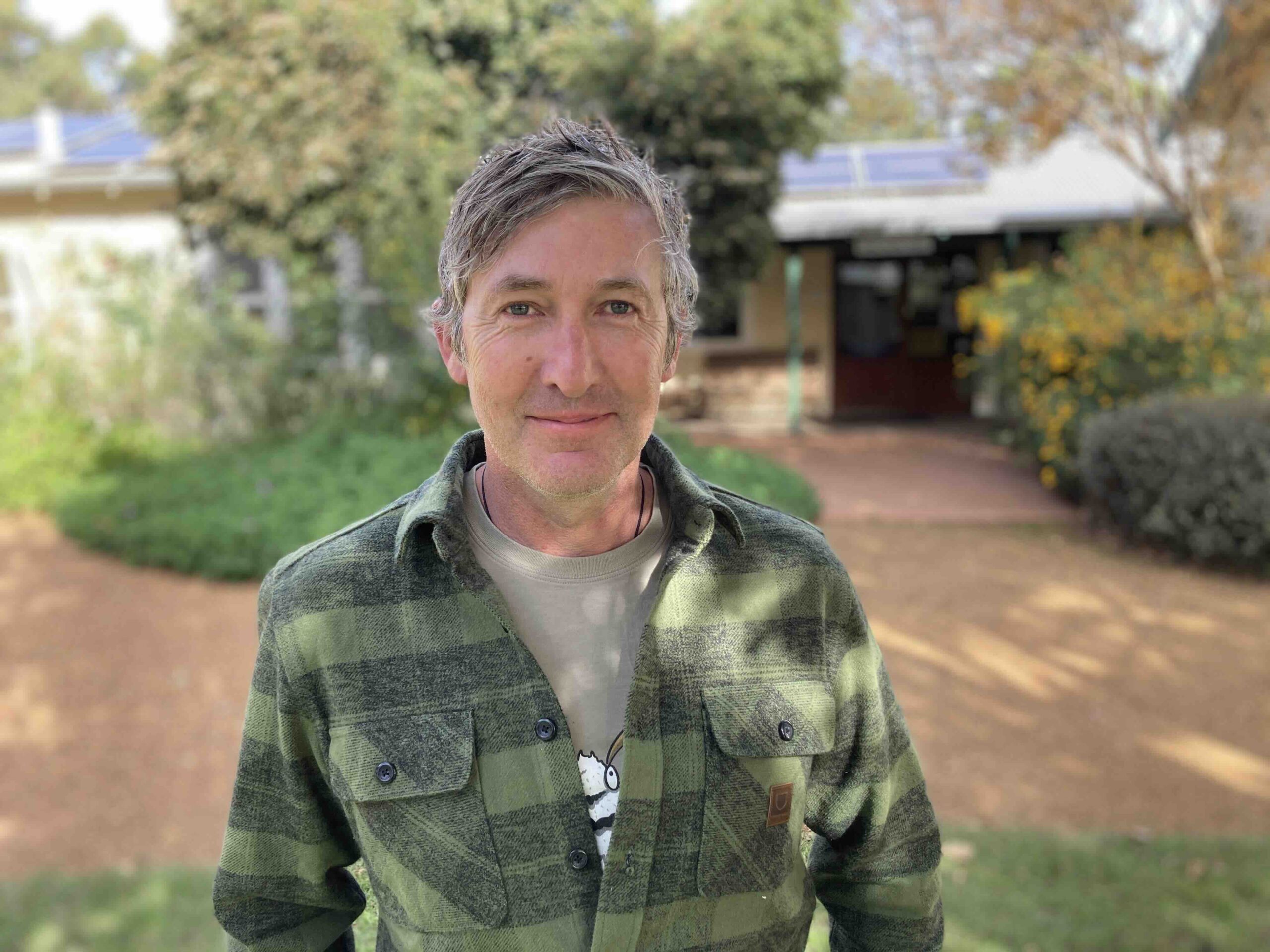
Nature Conservation CEO Aaron Jaggar
Nature Conservation Margaret River Region CEO Aaron Jaggar said the campaign was about celebrating what makes the region special while recognising the responsibility to protect it. “This is one of the most remarkable natural landscapes on Earth, and people know that instinctively,” Mr Jaggar said. “We live in a globally recognised biodiversity hotspot. We have Western Australia’s most visited national park on our doorstep. Millions of people come here every year because of the forests, rivers, coastline, wildlife and natural beauty that make this place unique.
“But these places can’t be taken for granted. The river that gives our region its name is under pressure. Biodiversity is declining. Invasive species continue to spread. Climate change is reshaping ecosystems. At the same time, nature funding remains nowhere near where it needs to be. When only 0.6 per cent of the Federal Budget is allocated to the environment, community action becomes even more important.
“The good news is that local people can make a genuine difference. Every tree planted, every weed removed, every volunteer hour and every donation contributes to healthier ecosystems and a stronger future for nature.”
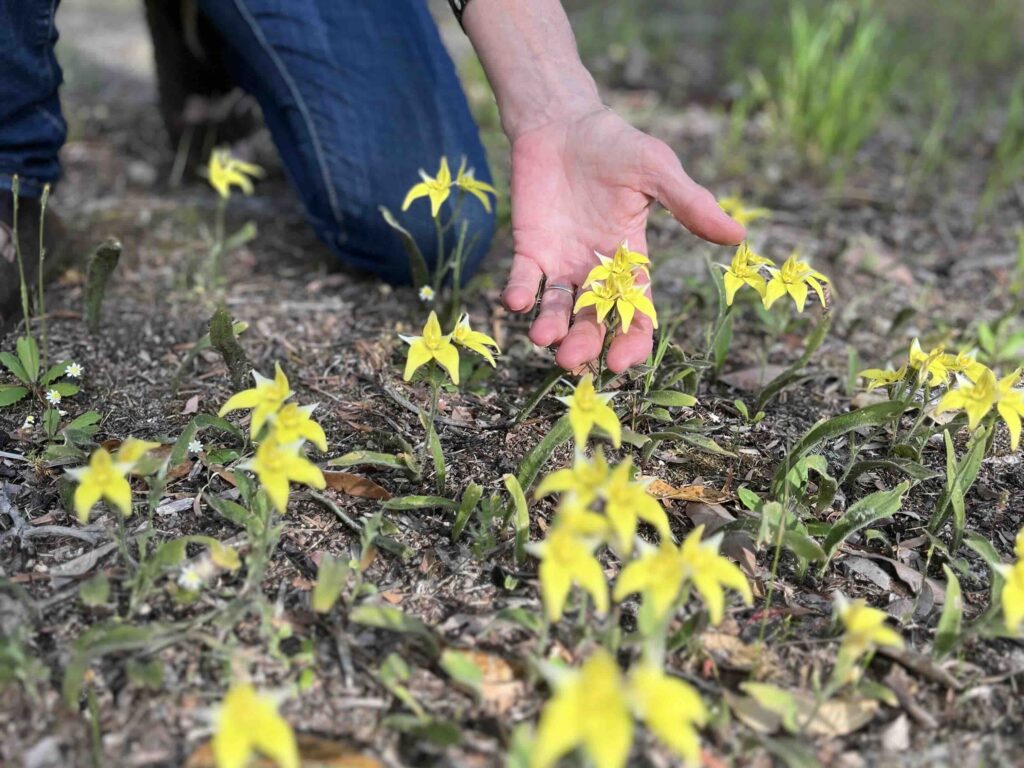
Orchids are returning to local landholder Sarah Moore’s property after she controlled arum lily
Programs across the region rely on a combination of volunteers, partnerships, grants and community support to continue and grow. As the end of financial year approaches, Nature Conservation is encouraging people to support practical conservation work through tax-deductible donations. “EOFY is an opportunity for people to back the work that’s happening on the ground right now,” Mr Jaggar said.
“This campaign is called Like Nowhere Else on Earth because that’s exactly what this region is. If we want future generations to experience the same healthy rivers, thriving forests and abundant wildlife that we value today, we all have a role to play in protecting them.
“Protecting a place like this isn’t something one organisation can do alone. It’s something an entire community builds together.”
Learn more about the Like Nowhere Else on Earth campaign or make a tax-deductible donation HERE.