
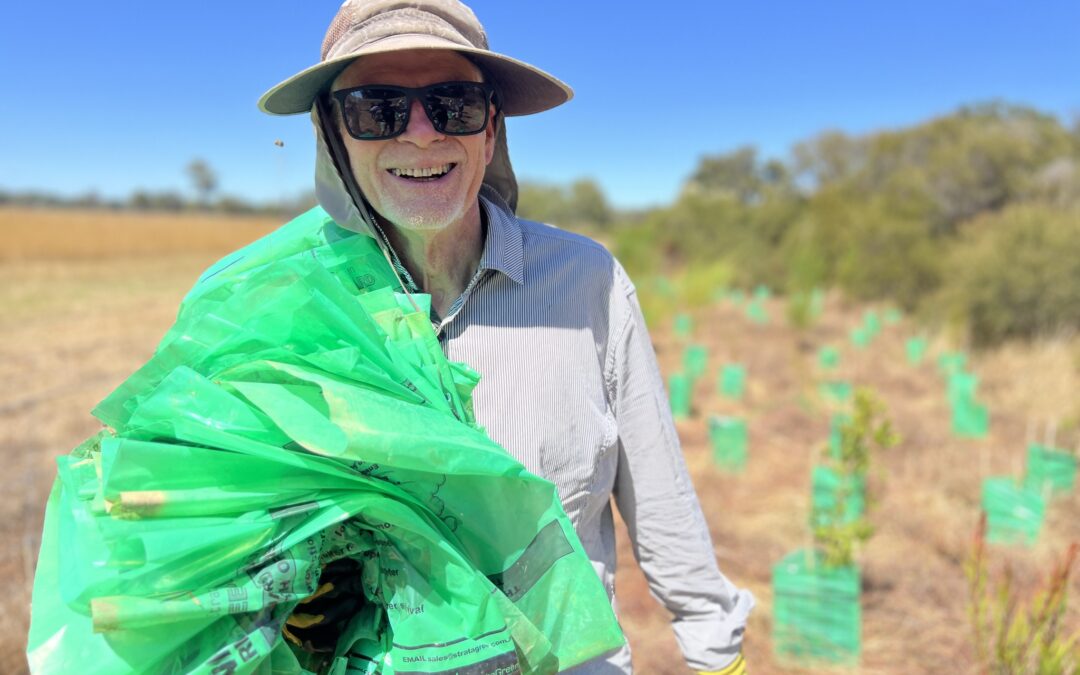
Community, science and action came together recently on the upper reaches of the Margaret River.
Volunteers, scientists and local emergency services gathered for a hands-on conservation event led by Nature Conservation Margaret River Region’s Friends of Wooditjup Bilya program. The focus was simple. Care for Country. Protect the river. Support long-term restoration along Wooditjup Bilya.
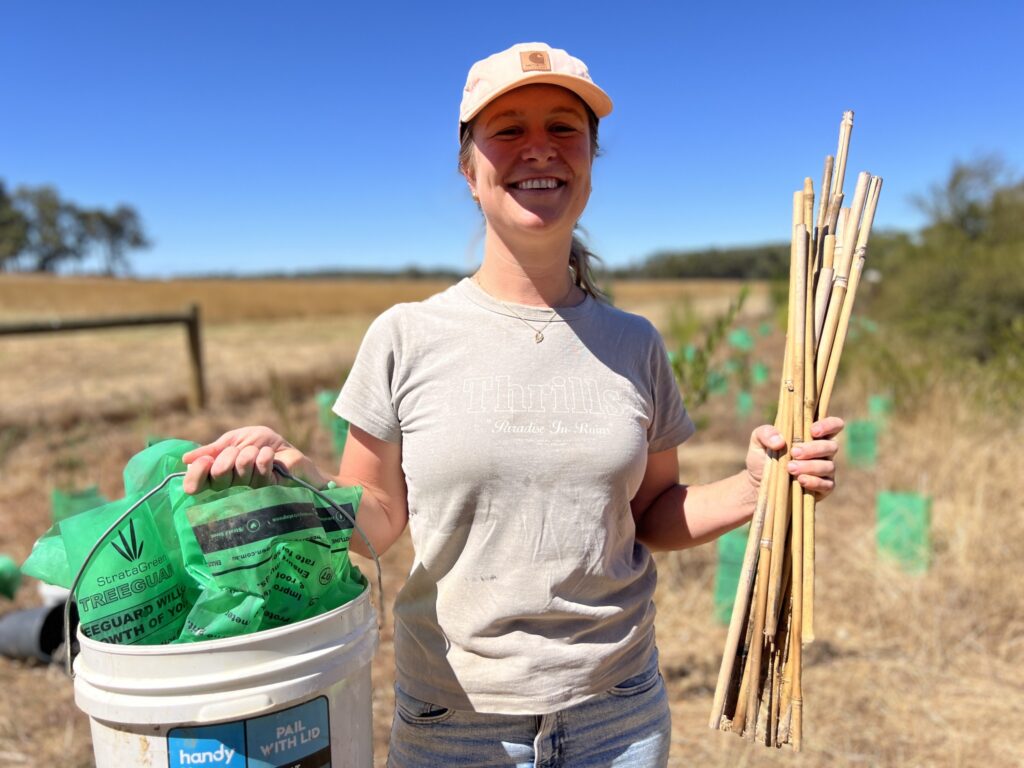
The monthly working bee saw volunteers weeding and caring for a large revegetation site planted by the community last year. This ongoing maintenance is critical. Without follow-up care, young native plants struggle to survive summer heat and dry conditions. With it, restoration efforts can thrive and deliver lasting benefits for the Margaret River catchment.
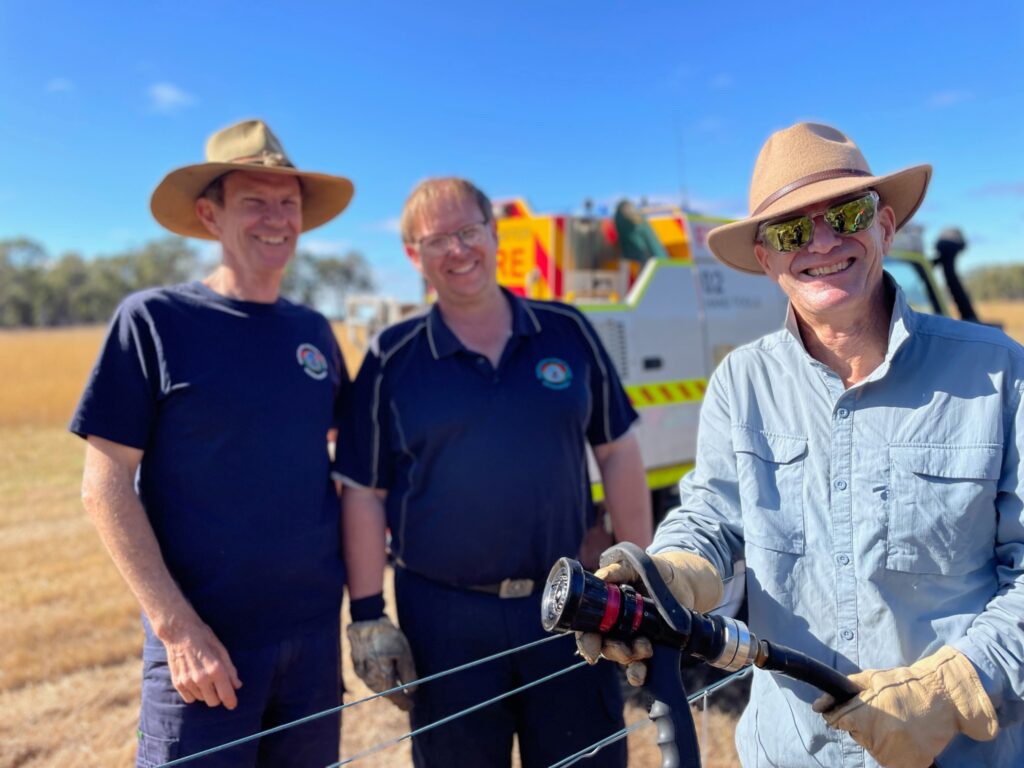
Local firefighters from the Rosa Brook and Wallcliffe fire brigades generously supported the day, using fire hoses to deeply water young native plants. Their help made a real difference. Especially after an exhausting night spent fighting the Forest Grove fires, working until nearly midnight to protect local communities and landscapes. Legends.
The event was hosted on the land of Dirk and Ben Funnekotter, whose commitment as landholders and caretakers continues to support conservation along this stretch of the Margaret River. Their stewardship and willingness to support community-led action played a key role in the success of the day.
After the on-ground work, participants gathered to hear from environmental scientist Linda Metz from South West NRM. Her talk, Cracking the Code of the Riverbed, explored how cutting-edge environmental DNA, or eDNA, is transforming conservation science on the Margaret River.
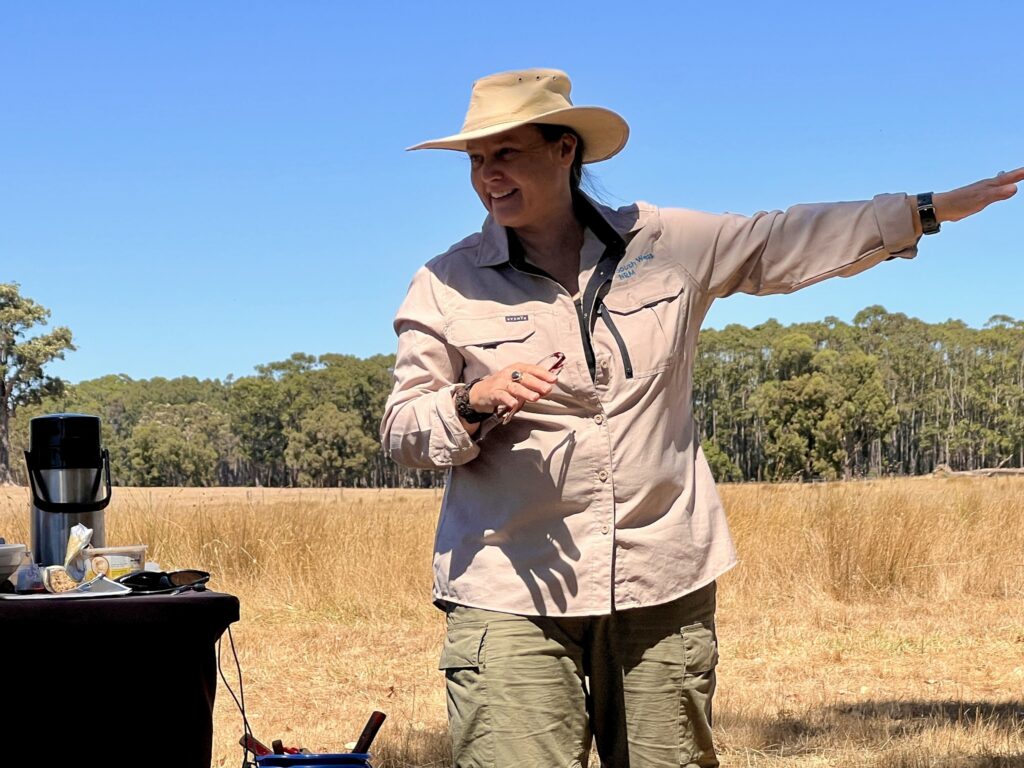
Using this non-invasive technique, researchers from South West NRM and Curtin University can detect elusive and critically endangered freshwater species without disturbing fragile habitats. This includes burrowing crayfish and the hairy marron, found nowhere else in the world but the Margaret River.
Linda explained how these species depend on healthy wetlands and intact riparian zones. Protecting existing habitat is vital. So is smart restoration. Fencing out stock. Replanting riverbanks. Reconnecting ecological corridors. All essential actions to safeguard the future of the Margaret River.
She also spoke about the sobering reality facing the hairy marron, now at risk of extinction. But the message wasn’t hopeless.
Through science, community action and thoughtful restoration, positive change is possible. And everyone has a role to play in caring for the Margaret River.
Nature Conservation Margaret River Region’s Friends of Wooditjup Bilya program brings people together each month to learn from experts, take practical conservation action and strengthen connections to Wooditjup Bilya and Country.