More than 1,200 students across the Capes region have spent the year exploring wetlands, investigating waterways, discovering coastal ecosystems and restoring nature.
Through three environmental education programs, Nature Conservation Margaret River Region is helping young people connect with Wadandi Boodja, discover the nature on their doorstep and learn how they can care for the places they love. From planting native trees to investigating threatened species, students are getting out of the classroom and experiencing the natural world first-hand.
Getting hands-on with nature through Adopt a Spot
Adopt a Spot brings together Year 4 and middle primary classes from across the Margaret River region. Students roll up their sleeves to plant, weed and brush at local bushland and coastal sites near their schools.
Along the way, they learn about native plants, local wildlife and the importance of caring for Country. Across its northern and southern programs, students planted almost 3,000 native plants and contributed more than 1,000 hours of on-ground conservation work.
They also learned from environmental specialists, First Nations custodians, landholders and volunteers. These experiences helped them identify native flora and fauna and recognise the tracks of native and feral animals.
Our Patch also connected 525 Year 3 and Year 6 students from eight local primary schools with nature through practical science and environmental investigations. Students explored wetlands, identified aquatic life, tested water quality and investigated threatened species. Together, they clocked up more than 6,000 hours of environmental learning.
The Year 3 program recently wrapped up with its annual Bioblitz science day at Ellensbrook Homestead (Mokidup). Students came together to explore local biodiversity and share their discoveries. Working alongside environmental experts, artists and volunteers, they put their learning into action and discovered more about the plants and animals that make our region so special.
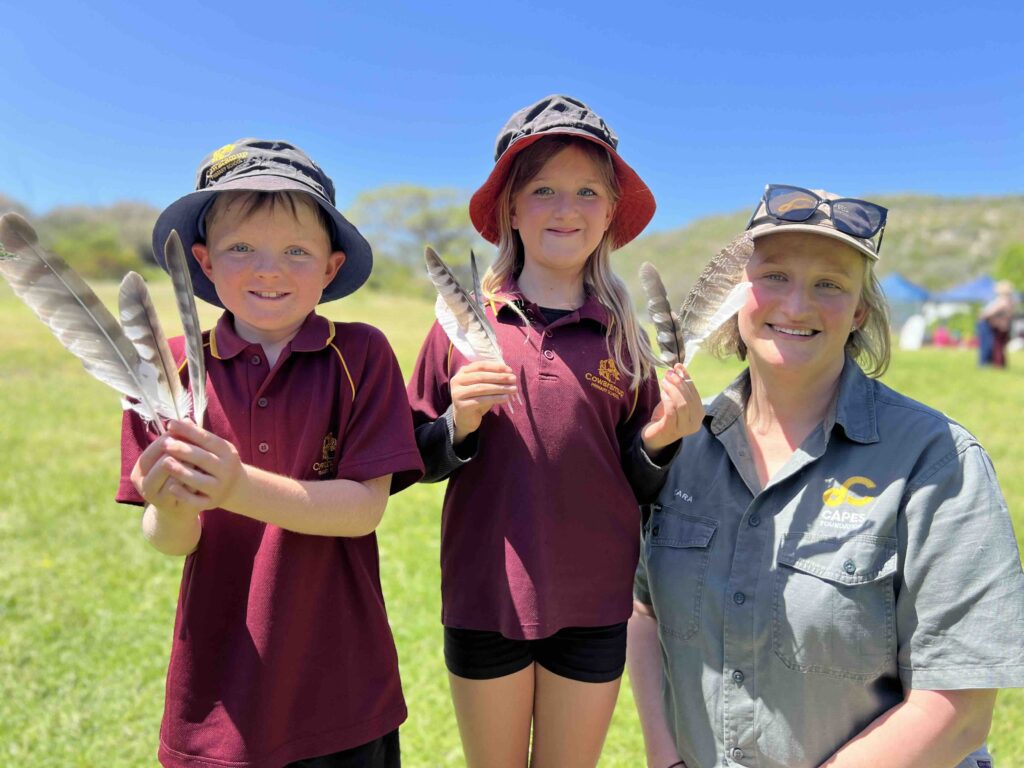
Capes Raptor Centre staff were among the presenters at the Our Patch 2026 Bioblitz
Discovering our coastal nature through Caring for Coast
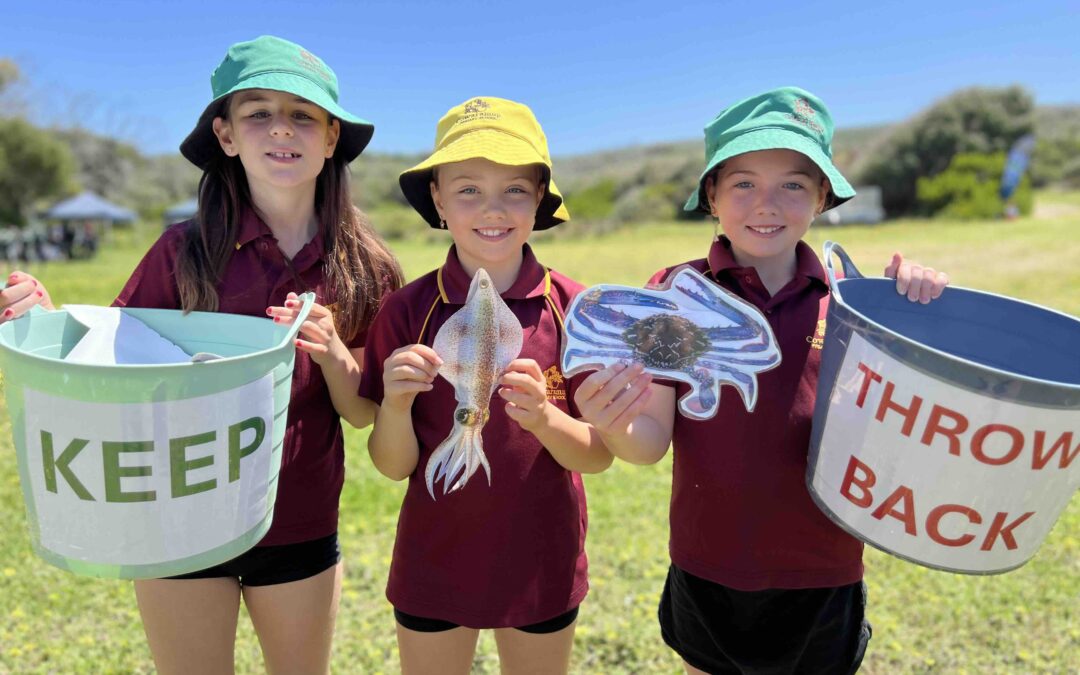
The Caring for Coast youth education program took 90 Year 5 students from Margaret River Primary School on a two-term journey along the remarkable coastline from Gnarabup to Rivermouth.
Through immersive excursions, students learned from local scientists, cultural custodians and coastal and marine management professionals. Back in the classroom, they developed conservation projects exploring local environmental challenges. Topics included rock pools, marine debris, shorebirds and cultural connections to the coast.
Students then shared their projects with family, friends and the wider community at their Caring for Coast Celebration at the end of Term 2. These experiences help young people understand the connections between people, culture and the natural environment. They also show how everyone can play a part in protecting our unique coastal ecosystems.
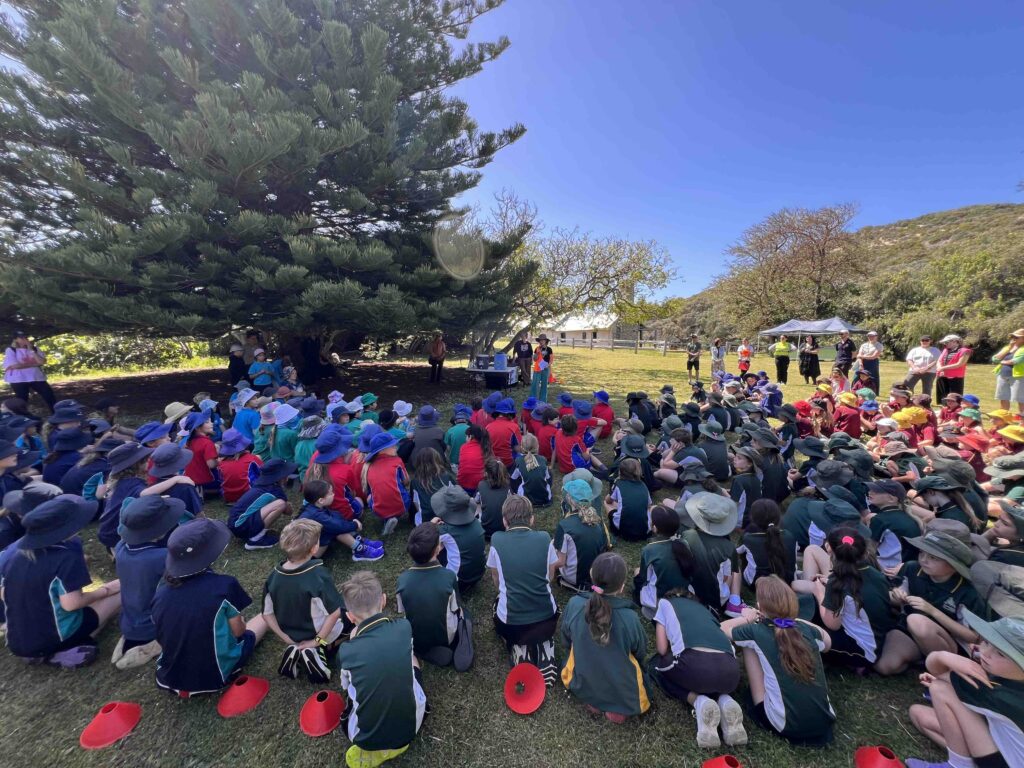
Students learning about nature and conservation at the Our Patch 2026 Bioblitz
Growing the next generation of nature champions
Nature Conservation Acting General Manager Cass Jury said the programs demonstrated the value of taking learning outdoors and connecting students with their local community.
“When young people get out into their local environment, meet the people caring for it and take part in meaningful conservation work, their learning comes to life,” she said. “They begin to understand that they’re not just learning about nature. They’re part of it, and they can make a real difference to the places they love.”
The benefits extend well beyond the classroom. Teachers have seen students develop confidence, curiosity and a stronger sense of responsibility for their local environment.
Rapids Landing Primary School teacher Tommy Robinson said Our Patch provided authentic, hands-on opportunities for students to build scientific skills and take ownership of real-world environmental investigations. Just as importantly, the programs bring the community together. Local experts share their knowledge, landholders open their properties and volunteers help turn environmental learning into meaningful action.
These programs are made possible through the generosity of funders, schools, Traditional Owners, landholders, volunteers and local organisations, including the Shire of Augusta Margaret River, Line in the Sand, Paskeville Foundation, Margaret River Rotary, Margaret River and Cowaramup Lions clubs, and the Jock Clough Marine Foundation.
Together, we’re helping grow a generation of young environmental champions – children who know their local landscapes, value their community and are ready to help care for Boodja.