Protecting Wooditjup Bilya
Wooditjup Bilya (the Margaret River) is one of the South West’s most ecologically significant waterways.
Home to species found nowhere else on Earth, rich cultural heritage and places deeply valued by the community, the river faces increasing pressure from a drying climate and growing demand for water. Protecting it requires coordinated action across the catchment.
Share your river experiences and perspectives
Complete this 5-min Wooditjup Bilya (Margaret River) Community Survey and join the draw to win one of three $150 gift vouchers. You will join the community helping shape river health programs and build stewardship.
A collaborative effort
Our shared vision is a healthy, resilient Wooditjup Bilya where ecological, cultural and community values are protected for future generations.
Wooditjup Bilya supports species found nowhere else on Earth, rich cultural values and a community deeply connected to place. It has been cared for by Wadandi people for tens of thousands of years, and their enduring connection to Country remains central to caring for the river today.
Across the South West, drying conditions and increasing demand for water are placing pressure on river systems like Wooditjup Bilya.
Protect Wooditjup Bilya brings together science, on-ground action and community stewardship to understand, protect and restore this unique river system.
Why this matters
Wooditjup Bilya is a connected river system. Its health depends on a balance between water, land and habitat – and small changes can have significant impacts.
Streamflow
Reduced rainfall and streamflow are changing how the river functions and affecting habitat connectivity.
Rainfall in the South West has declined significantly since the 1970s, reducing the water flowing through rivers like Wooditjup Bilya.
Lower streamflow can lead to:
- reduced connectivity along the river
- fewer opportunities for species to move and breed
- increased stress on aquatic ecosystems during dry periods
Maintaining natural flow patterns is critical to supporting ecological processes across the system.
Water levels and refuge pools
Refuge pools provide critical habitat during dry periods, but their long-term resilience is not fully understood.
Many refuge pools are likely supported by groundwater, but the relationship between groundwater and surface water in the catchment is not yet fully understood.
This creates risk:
- declining groundwater levels may reduce the persistence of refuge pools
- water extraction during low-flow periods can compound these impacts
- critical habitat may be lost during extended dry periods
Improving our understanding of these systems is essential to protecting them.
Water quality
Water quality is influenced by sediment, nutrients and other catchment pressures that affect river health.
Good water quality underpins the health of the entire river system.
Key pressures include:
- sediment entering waterways
- localised pollution
- nutrient runoff from surrounding land
Even small changes in water quality can affect sensitive species and ecological balance.
Habitat and riverbanks
Healthy riverbanks and instream habitat support biodiversity and help the river withstand change.
Healthy riverbanks and instream habitat play an important role in maintaining river health.
This includes:
- riparian vegetation that stabilises banks, filters runoff and provides shade
- instream habitat such as logs and pools that support aquatic species
When these areas are degraded, it can lead to:
- bank erosion
- loss of habitat complexity
- increased water temperatures
Protecting and restoring habitat is key to long-term river health.
Our approach
Protecting Wooditjup Bilya requires coordinated action across the catchment.
Building the knowledge base
We are strengthening the scientific understanding needed to protect the river into the future, ensuring actions are targeted where they will have the greatest impact.
This includes:
- reviewing and consolidating existing research
- identifying critical knowledge gaps—particularly around streamflow, groundwater and refuge pools
- supporting monitoring and data collection to inform decision-making
Coordinating action across the catchment
Caring for Wooditjup Bilya is a shared responsibility.
The Protect Wooditjup Bilya program is guided by the Wooditjup Bilya Collaborative Management Group and a Scientific Reference Group. We work alongside Wadandi cultural custodians, local and state government, community groups, researchers and landholders to implement the Wooditjup Bilya Protection Strategy.
This coordinated approach:
- aligns priorities and actions across the catchment
- improves communication and knowledge sharing
- reduces duplication and fragmented effort
On-ground protection and restoration
We deliver targeted projects to protect and restore key areas of the river.
This includes:
- fencing and revegetating riparian zones
- controlling environmental weeds
- stabilising eroding banks
- protecting critical habitats, including refuge pools
These actions improve habitat condition, water quality and resilience across the system.
If you live along the river and want to get involved, contact Hannah Weir – Wooditjup Bilya Project Manager:
Hannah.weir@natureconservation.org.au or 08 9757 2202.
Changing practices that impact the river
Long-term protection depends on how water and land are managed across the catchment.
We work with landholders, agencies and decision-makers to support changes in practice that reduce pressure on the river.
This includes:
- improving water use efficiency and reducing extraction during low-flow periods
- protecting riparian vegetation and remnant habitat
- managing weeds and avoiding introduction of invasive species
- supporting land use planning that limits high water demand and protects ecological values
By addressing these underlying drivers, we can help safeguard the river into the future.
Community stewardship
Protecting Wooditjup Bilya depends on people.
Across the catchment, landholders, volunteers, students and local advocates are helping care for the river through restoration, citizen science, education and community events.
Friends of Wooditjup Bilya
The Friends of Wooditjup Bilya program brings people together to connect with the river and learn more about its unique ecology, cultural significance and conservation.
Held on the first Thursday of each month, these free community gatherings often begin with guided walks and talks led by Wadandi cultural custodians, scientists and local experts. Participants can then choose to get involved in hands-on conservation activities such as planting, weeding and habitat restoration.
Whether you’re looking to learn, connect with others, or make a practical contribution to river health, everyone is welcome.
Stay tuned to our Events page to get involved.
Get involved
People connect with Wooditjup Bilya in many ways—walking, swimming, paddling, fishing or simply spending time in nature.
That connection makes protection possible.
- Join a Friends of Wooditjup Bilya conservation session
- Volunteer at a planting or restoration day
- Restore or conserve riverbanks, creek lines and native vegetation on your property – check out resources or get in contact with us.
Stay tuned to our Events page, Nature Conservation’s social media channels, or subscribe to our monthly newsletter for all the details.
Contact:
Hannah Weir – Wooditjup Bilya Project Manager: Hannah.weir@natureconservation.org.au or 08 9757 2202.
Partners
Protecting Wooditjup Bilya is a collaborative project made possible thanks to our community and partners, supported by the Ian Potter Foundation, the Shire of Augusta Margaret River, the Water Corporation, and generous local donors.

Latest news on Conserving the Margaret River
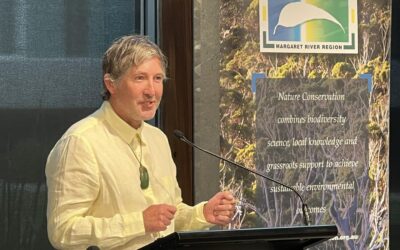
Nature Conservation celebrates 25 years of caring for country
Nature Conservation Margaret River Region has celebrated 25 years of conservation leadership and community impact, bringing together supporters, volunteers and members for an evening of connection, reflection and inspiration at the Margaret River HEART on Tuesday...
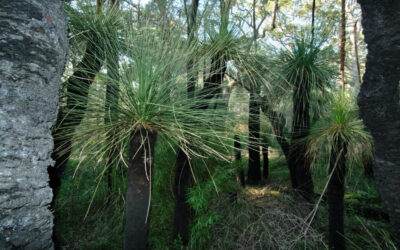
Biodiversity assessments to know your nature
Landholders can now access expert advice on how to protect and restore the environment on their properties, thanks to biodiversity assessments offered by Nature Conservation Margaret River Region’s expanded team. The assessments are a response to strong demand from...
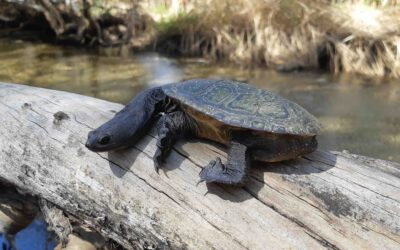
Snake-necked turtle trackers wanted
It’s nesting season for the snake-necked turtle and Nature Conservation Margaret River Region is calling for volunteers to sign up as turtle trackers, helping to protect this vulnerable species in the Margaret River (Wooditjup Bilya). Through the turtle tracker...
Address
Community Resource Centre
33 Tunbridge Street
Margaret River WA 6285
Postal Address
PO Box 1749 Margaret River WA. 6285
Contact Us
Phone: (08) 9757 2202
Email: info@natureconservation.org.au